
Before the Transformation
Six months ago, the corner of Maple and Third was what urban planners politely call “underutilized.” The old Petrosian’s Market had been shuttered for two years, its hand-painted sign fading behind security grating. Next door, the narrow storefront that once housed Elena’s alterations shop sat empty, collecting dust and half-hearted real estate flyers. I walked past this corner twice daily on my way to the train. You could see how pedestrians unconsciously sped up past the dead storefronts.
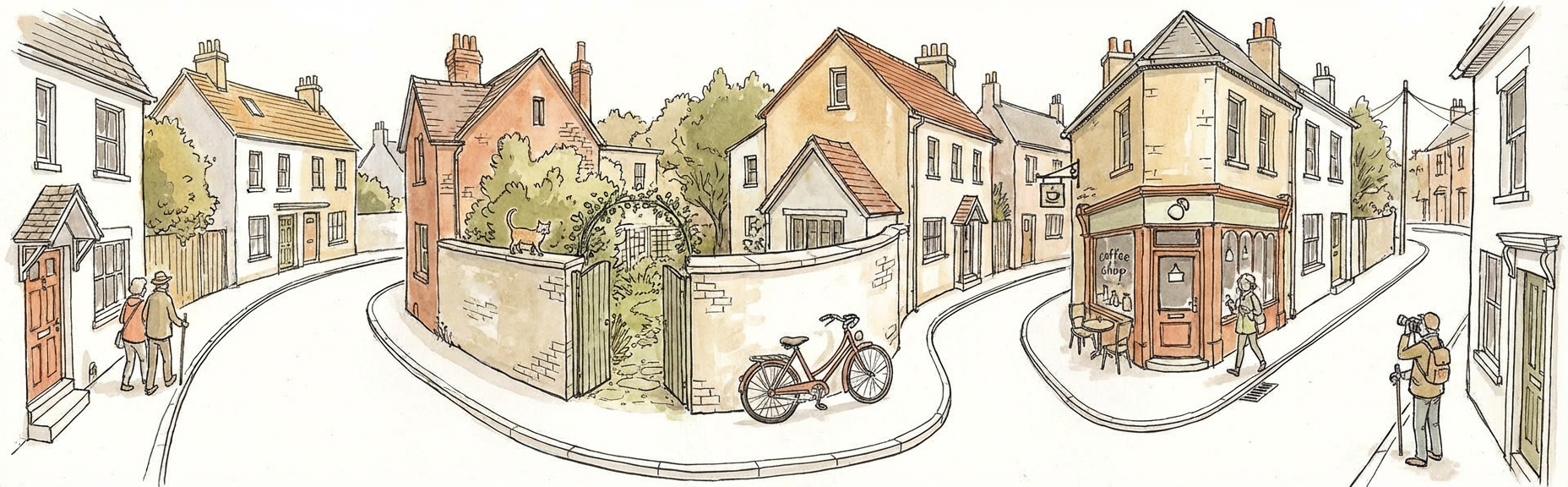
The conditions were perfect, though none of us saw it then. Rent was cheap enough for someone with more vision than capital. The foot traffic from the nearby university meant built-in customers hungry for something real. Most importantly, the surrounding blocks had hit that sweet spot where longtime residents lived alongside newcomers without the tensions that wreck other rapidly changing neighborhoods.
What makes a moment catch fire isn’t just opportunity, it’s timing. And timing is about reading the room. This corner had been waiting for someone who understood the room was finally ready.

The Arrival of Catalyst
Marcus Thompson moved into the old market space in September, but he’d been watching this corner for eight months before signing the lease. I first met him at Dolores Coffee two blocks over, where he’d sit with architectural drawings spread across the communal table, sketching layouts and scribbling notes about sight lines and natural light. He wasn’t just planning a coffee shop. He was engineering an experience.
When Catalyst finally opened in late October, it felt inevitable the way only perfectly executed ideas do. The exposed brick revealed during renovation told the building’s story without overwhelming it. The long community table made from reclaimed gymnasium bleachers created natural conversation zones. The menu board, hand-lettered by local artist Sophia Chen, changed weekly to reflect seasonal ingredients from the farmers market six blocks north.
But the genius was in the details most people never consciously noticed. The speakers were positioned to create acoustic zones where conversations could happen without overwhelming background chatter. The electrical outlets were thoughtfully placed to accommodate laptops without creating charging station camps. The bathroom key was attached to a vintage doorknob heavy enough to prevent absent-minded pocket theft but beautiful enough that you didn’t mind carrying it.
Within three weeks, the morning regulars had established their unspoken territorial claims. Dr. Patel from the pediatric practice took the corner table by the window. The graduate students colonized the long table after 2 PM. Local real estate agent Carmen Rodriguez held her client meetings in the alcove near the bookshelf Marcus had stocked with neighborhood history and poetry collections.
The Ripple Effect Takes Hold
Cultural tipping points are rarely about single locations. They’re about ecosystems. By December, Elena had reopened her alterations shop next door, but with an expanded focus on sustainable fashion and clothing swaps. The increased foot traffic from Catalyst gave her the confidence to experiment with community programming. Her first “Stitch and Stories” evening drew twelve people. The third event had a waiting list.
The empty storefront across the street, dormant for eighteen months, suddenly sprouted “Coming Soon” signs for Groove Records, a vinyl shop run by two DJs who’d been operating online since the pandemic began. They’d been scouting locations for six months, but seeing the energy building around Catalyst convinced them this corner could support their vision of afternoon listening parties and weekend DJ workshops.
The transformation picked up speed through winter in ways that surprised even Marcus. The city’s public art commission approached him about hosting monthly installations in his front windows. The neighborhood association moved their meetings to Catalyst’s back room, tripling attendance. Local high school students started using the space for study groups, bringing their teachers and parents into the circle of regulars.
What emerged wasn’t gentrification in the displacing sense, but something I’d call cultural densification. The corner became a focal point that drew out connections already present in the neighborhood but previously scattered and informal. Mrs. Rodriguez discovered that her Tuesday morning coffee companion was Dr. Patel’s patient’s grandmother. The graduate students started joining Elena’s clothing swaps, trading academic conference outfits for vintage finds.
Reading the Room, Sustaining the Moment
The test of any cultural moment is whether it can keep its energy without losing what made it special in the first place. By February, Catalyst faced the pressures that come with early success. Weekend lines stretched down the block. Yelp reviewers from downtown discovered the place, bringing crowds that sometimes overwhelmed the carefully calibrated atmosphere Marcus had created.
His response showed why this moment took hold when others might have collapsed under similar pressures. Instead of expanding hours or adding more seating, he instituted “Neighbor Hours” from 7 to 9 AM, when only people who lived within six blocks could order. He partnered with Elena and the owners of Groove Records to create a “Corner Card” that offered small discounts but, more importantly, identified holders as people invested in the community rather than just consuming it.
The brilliance of these moves was that they didn’t exclude outsiders. They created incentives for outsiders to become insiders. People started apartment hunting in the neighborhood specifically to qualify for Neighbor Hours. The Corner Card became a conversation starter that connected newcomers with longtime residents who could explain the significance of Dr. Patel’s research or Mrs. Rodriguez’s role in fighting the highway expansion twenty years ago.
Six months in, this corner has achieved something rare in urban spaces: it has become truly indispensable to the people who use it, while remaining genuinely welcoming to people encountering it for the first time. The morning regulars have developed enough investment in the space to self-police behavior that might disrupt its atmosphere. Newcomers quickly absorb the unspoken protocols that keep conversations at appropriate volumes and laptops from monopolizing tables during peak hours.
The Conditions for Lightning
Studying this corner’s transformation reveals the specific conditions that allow cultural moments to take hold and sustain themselves. Physical affordability created the foundation, but cultural readiness made the difference between success and failure. The neighborhood had reached sufficient density to support ambitious programming without losing the intimacy that makes programming feel personal rather than commercial.
Marcus understood that creating a gathering place isn’t about imposing a vision. It’s about recognizing the social dynamics already present and building infrastructure that amplifies them. The success of Catalyst wasn’t just about good coffee or thoughtful design, though both mattered enormously. It was about identifying the specific social needs of this particular community and creating space for those needs to be met organically.
The ripple effects keep evolving. Elena is planning a summer fashion show featuring local designers. Groove Records is talking with the community college about internship programs. The neighborhood association is discussing how to replicate this energy on other underutilized corners without losing what makes this one special.
What strikes me most about this transformation is how it happened without fanfare or master planning. Just someone who knew how to read a room and create conditions for the room to read itself. Next time you’re walking through your own neighborhood, pay attention to the corners that feel like they’re waiting for something. The conditions for cultural moments are more common than we think. The question is whether we’re paying enough attention to recognize them.