The Moment Everything Shifted
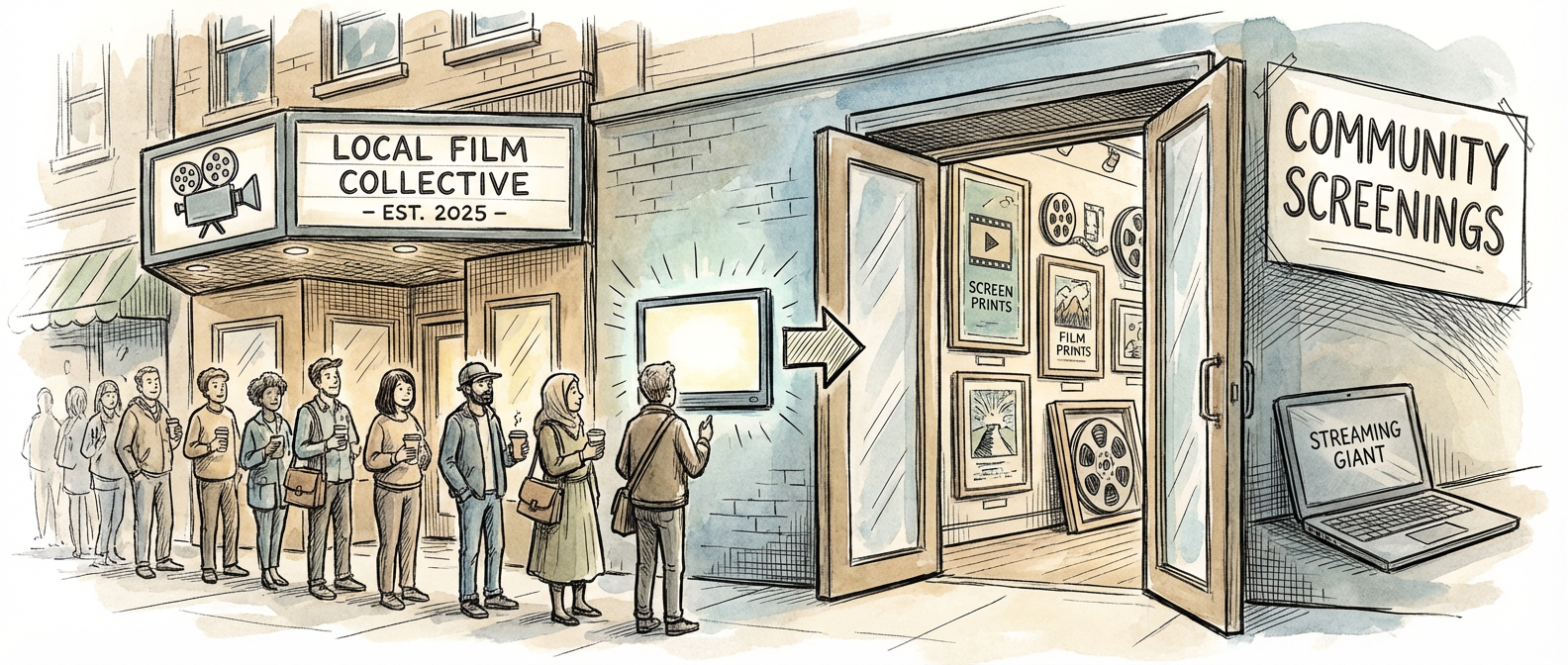
There was this specific moment in late 2024 when you could feel the ground move. It wasn’t dramatic. It didn’t announce itself. But if you were paying attention to what people actually wanted to do on a Friday night, you noticed: the conversations had changed. Nobody was debating which streaming service to subscribe to. Instead, they were asking each other, “Did you get tickets to that screening?” The shift from passive consumption to active participation happened so quietly that most people missed it entirely.
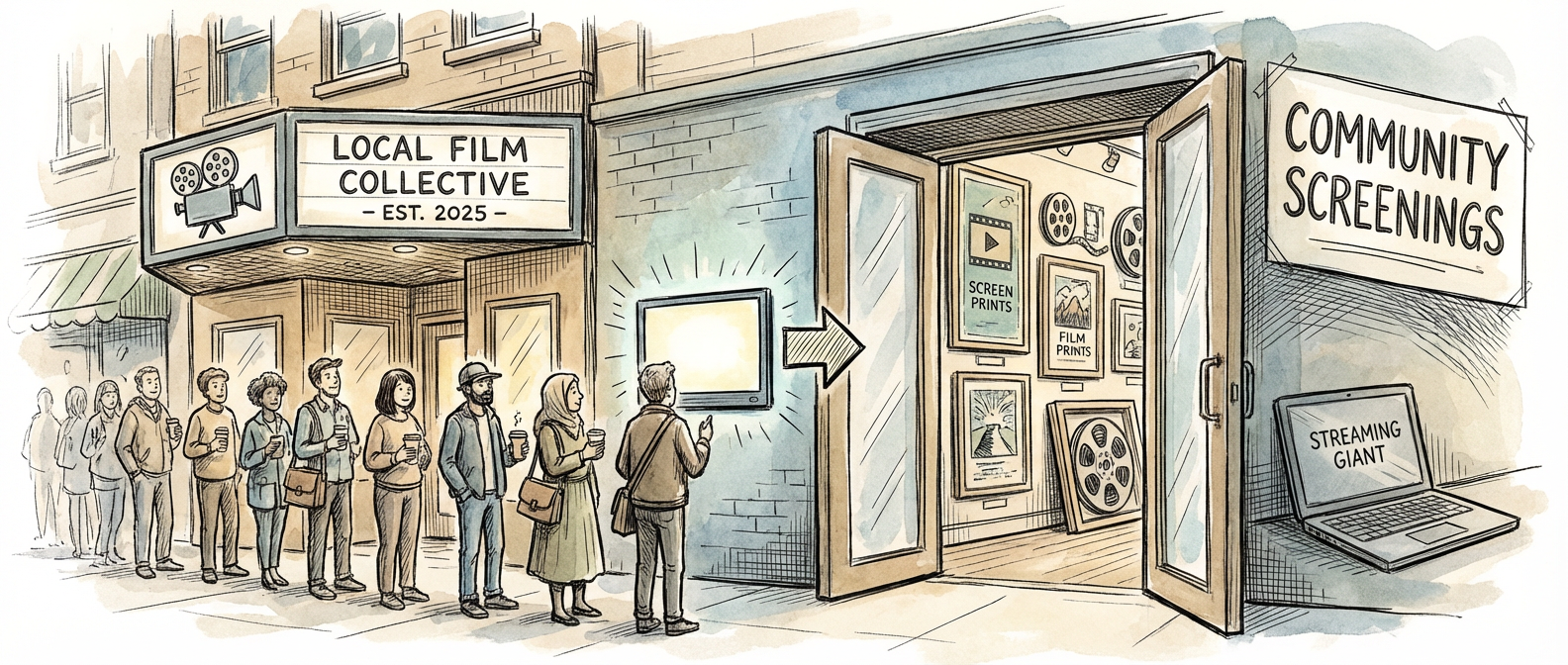
By the time we hit 2025, the numbers caught up to what the culture was already feeling. The number of registered independent cinema venues across the country nearly tripled in just three years, jumping from 340 spaces in 2022 to over 870 by early 2026. That’s not a trend. That’s a recalibration. People voting with their feet and their money, choosing to sit in rooms with strangers who wanted the same thing: to experience cinema as an event again, not as content consumed alone.
Why Independent Theaters Started Looking Like Gallery Openings
Think about what a gallery opening actually is. It’s not primarily about the art on the walls, though the art matters. It’s about the gathering. It’s about being in a room with people who have taste similar enough to yours that you want to know what they think. There’s a social energy that exists nowhere else. You dress a bit nicer. You arrive knowing that something intentional is happening. You expect to have a real conversation.
Independent micro-cinemas figured out they could build that same energy around film. The spaces themselves became part of the offering. A restored 1920s theater in Portland showing 16mm prints of silent films. A former warehouse in Detroit converted into an intimate screening room with a bar that actually understands beverage culture. A rooftop setup in Austin showing restored Criterion releases under the stars. These weren’t multiplex experiences sanitized for mass consumption. These were curated experiences designed by people who loved cinema enough to stake their credibility on their selections.
The programming reflected real taste-making rather than algorithmic calculation. Organizers weren’t trying to please everyone. They were trying to create something worth talking about. That specificity, that deliberate curation, became magnetic. In cities under 500,000 people, ticketed film screening events grew 78 percent faster than live music events in 2025. People had options for live entertainment. They chose cinema. That choice means something.
The Distribution Model That Changed Everything
What made this possible wasn’t just demand. It was infrastructure. The MUBI Go Live Program Details expanded dramatically throughout 2025, reporting a 55 percent year-over-year increase in partnerships with physical screening spaces. What MUBI understood, and what the industry had been slow to grasp, is that some films don’t need wide theatrical releases and streaming windows. Some films need community. They need the right room full of the right people at the right moment.
The logistics are worth understanding because they explain why this moment landed when it did. Independent distributors and platforms created pathways for micro-venues to access films that might never have played beyond a festival circuit or limited theatrical release. A theater with 50 seats in a mid-sized city could now show the same recent releases as a 400-seat art house downtown. The Cinema Foundation Independent Venue Census 2026 documented this shift in real time, revealing that the venues weren’t clustered in major metros. They were distributed across the country, often in places where cinema had been written off as a viable cultural experience.
The financial model worked because of pricing. People paid more for tickets to smaller venues because those tickets represented something, specifically curation and access. A micro-venue ticket wasn’t competing with Netflix. It was competing with a night out. When you frame it that way, eight to twelve dollars suddenly feels reasonable again.
The Pre-Release Phenomenon That Shattered Marketing Assumptions
Then Bong Joon-ho’s 2025 film “Mickey 17” arrived, and it proved something the industry had been too invested in traditional marketing to admit: grassroots momentum beats algorithm recommendations. The film screened at over 200 independent micro-venues before its wide release. By the time the $200 million marketing budget kicked into gear, the buzz had already been generated by people in rooms with other people, talking about what they’d just watched.
The pre-release screening strategy created anticipation that marketing budgets simply cannot manufacture. It was organic in a way that felt almost radical. Critics saw it. Cinephiles saw it. They told people. Those people bought tickets. And by the time the studio’s machinery engaged, it was amplifying something that already existed rather than trying to create desire from scratch. That’s a different economy of attention entirely.
What Happens When Supply Meets Demand This Perfectly
Cinespia, the Los Angeles-based collective that pioneered outdoor and micro-venue screenings, sold out all 42 of its events in 2025. Every single one. On the resale market, tickets were moving for an average of $85 on StubHub. Think about that figure. People were paying premium prices for the privilege of sitting outside watching a movie. Not because the movie was exclusive. Not because they couldn’t watch it at home. Because the experience was worth something.
This is what happens when supply meets demand with good timing. You have technological infrastructure that didn’t exist five years ago. Venues that were sitting empty or being repurposed for other things, suddenly activated as cultural anchors. Younger audiences who grew up on streaming and are discovering, almost by accident, that there’s something different about cinema as a collective experience. Curators and programmers who have been waiting for the culture to catch up to their vision. All of these forces aligned in 2025.
The question now isn’t whether independent cinema will continue to grow. The Cinema Foundation Independent Venue Census 2026 shows growth trajectories that suggest this isn’t a moment anymore. It’s becoming infrastructure. The real question is what stories you want to witness, what rooms you want to sit in, and who you want next to you when the lights go down.