Before we get into the specifics, it’s worth establishing why this particular development sits at an intersection that culture audiences — more than most — are positioned to understand.
Beyond the Hype: What Writers Are Actually Doing
The hype cycle moves fast enough to give you whiplash, so let me pump the brakes before we talk about what’s actually happening here. While tech evangelists promise AI will replace human creativity and doomsayers warn of literary apocalypse, a much quieter revolution is happening in writers’ rooms around the world. Fiction writers are discovering that AI roleplay tools offer something way more practical than replacement or destruction: they give you a smart method for developing authentic character voices before you start the real writing.
The pattern here is familiar once you’ve seen it a few times. Here’s what I keep coming back to on this.
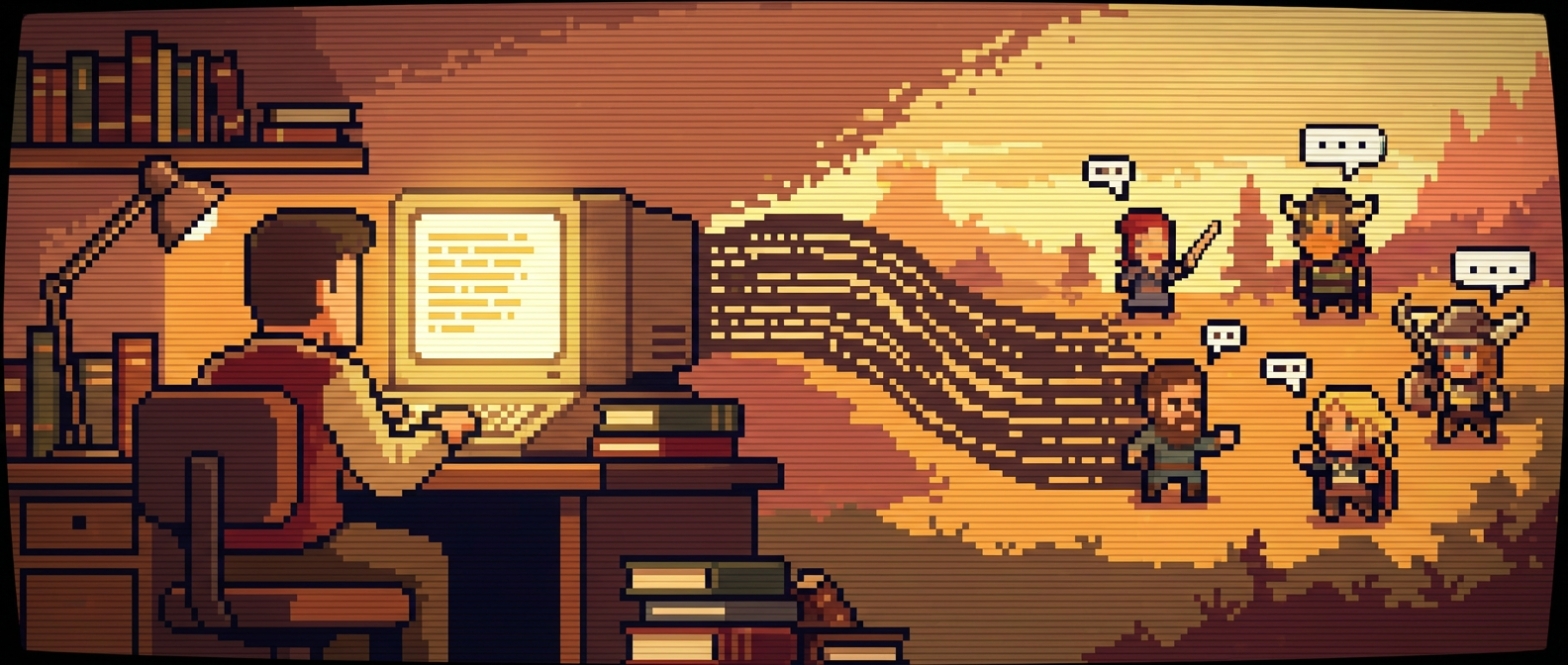
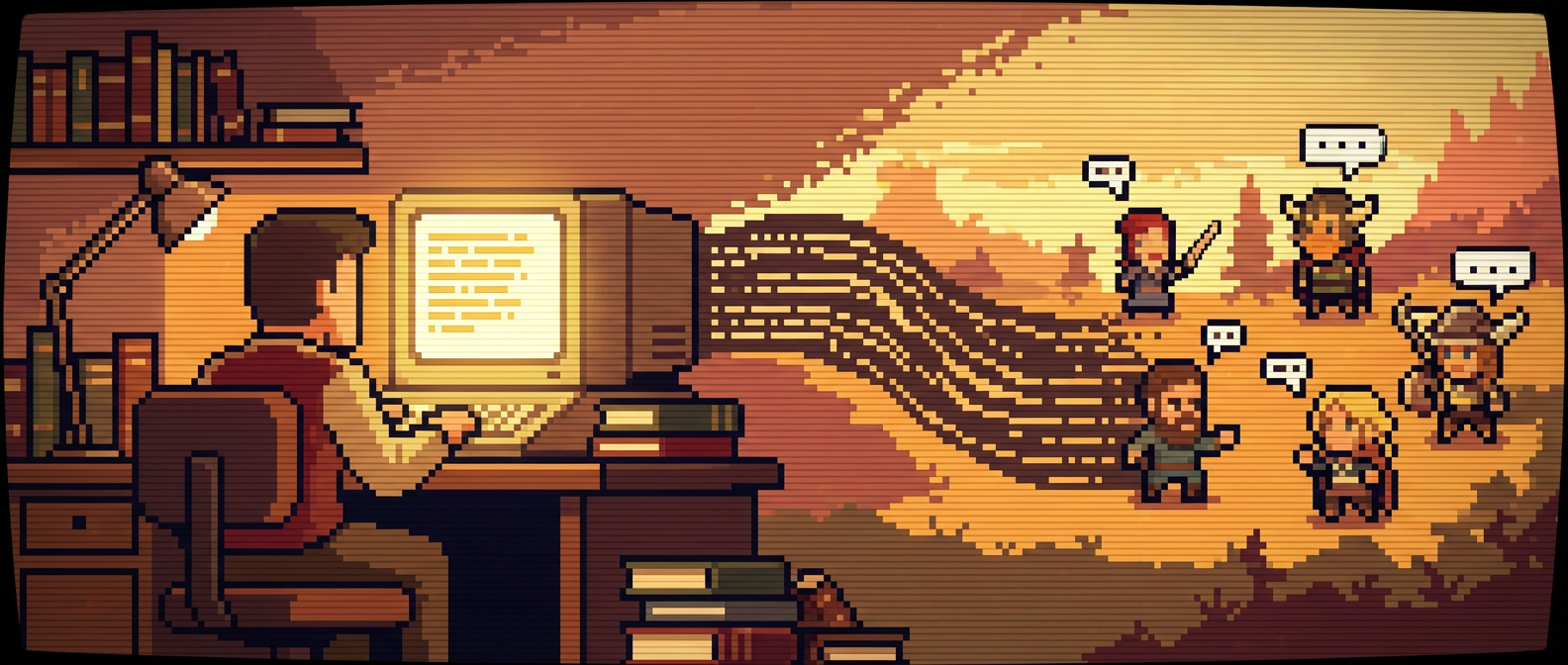
This isn’t about generating finished prose or letting machines tell your story. Instead, writers are using conversational AI as an advanced form of character development, treating these interactions as extended brainstorming sessions where fictional personas can speak, react, and evolve in real time. The process is like method acting for authors. You get to inhabit your characters’ perspectives through dialogue rather than internal monologue.
The Living Story Bible Revolution
Traditional story bibles gather dust on shelves or hide in forgotten document folders. But AI roleplay platforms like SillyTavern have introduced something completely different: a living, breathing repository of story information that stays accessible during every character interaction. Writers can embed world details, plot points, character relationships, and historical context directly into the AI’s knowledge base. You end up with a dynamic reference system that informs every conversation.
This world information system changes how writers approach continuity and depth. No more frantically flipping through notes to remember whether your protagonist prefers coffee or tea. The AI keeps this knowledge working in the background. More importantly, it can surface relevant details during roleplay sessions, reminding writers of established character traits or world rules they might have forgotten. You get more consistent storytelling and richer character development.
Writers tell me this persistent knowledge base becomes more valuable over time, growing more complex and interconnected with each session. Details that seemed minor during initial character creation often resurface in unexpected ways during roleplay. This creates organic plot threads and character arcs that feel authentic rather than forced.
Memory and Continuity: The Long Game
Maybe the biggest breakthrough in AI roleplay for writers is the development of persistent character memory across multiple sessions. Unlike traditional brainstorming methods that exist in isolation, these AI characters remember previous conversations, decisions, and emotional beats. This continuity lets you do truly long-form collaborative worldbuilding that can span months or even years of development.
Writers describe building complex fictional relationships through these extended roleplay sessions, watching characters grow and change in response to accumulated experiences. A character’s reaction to betrayal becomes more layered after they’ve experienced trust in previous sessions. Their humor develops specific patterns and references. Their fears become more concrete and personal. This kind of character evolution usually requires multiple drafts and extensive revision in traditional writing processes.
The collaborative aspect can’t be overstated. While the writer controls the overall direction and maintains creative authority, the AI contributes unexpected responses that can surprise even experienced authors. These moments of genuine unpredictability often unlock new dimensions of character personality or reveal plot possibilities that pure introspection might miss.
From Roleplay to Raw Material
The transition from roleplay session to published prose is where this technology shows its real utility. Writers are discovering that dialogue exchanges from their SillyTavern sessions provide excellent raw material for scene writing and dialogue prototyping. The conversational format naturally produces realistic speech patterns, emotional rhythms, and character-specific vocabulary choices that can be refined and incorporated into formal manuscripts.
This process works particularly well for dialogue-heavy scenes where character voice matters more than action or description. Writers can explore how characters would handle specific confrontations, revelations, or emotional moments through roleplay before committing to a particular approach in their draft. The low-pressure environment of AI conversation encourages experimentation with different emotional registers and communication styles.
Some writers go further, using roleplay transcripts as detailed scene outlines that capture not just what characters say, but how they say it, when they hesitate, and what subtext emerges through their word choices. This approach can significantly reduce the revision cycles usually required to nail character voice in dialogue-heavy scenes.
Accessibility and the Future of Character Development
The technical barriers to AI roleplay keep shrinking as hosted platforms make these tools accessible to writers without programming backgrounds. Services like Hearthside Chat and NovelAI creative writing provide user-friendly interfaces that focus on the creative process rather than technical configuration. This democratization means that character AI tools are no longer limited to tech-savvy early adopters.
Character consistency across sessions has improved dramatically through better persona card systems and memory injection techniques. Writers can now create detailed character profiles that inform AI behavior without requiring constant prompting or correction. These systems remember not just facts about characters, but their emotional patterns, speech habits, and behavioral tendencies.
The implications extend beyond individual character development. Writing groups are beginning to use shared AI characters as collaborative tools, allowing multiple authors to interact with the same fictional personas and build consensus around character traits and story directions. This collective approach to character development could reshape how collaborative fiction projects approach consistency and voice.
As these tools continue to evolve, the line between traditional character development techniques and AI-assisted methods will likely blur further. The key insight driving this adoption is not that AI can replace human creativity, but that it can amplify and speed up the creative processes writers already use. In the end, the stories still come from human imagination, but the path to bringing those characters to life has gained a powerful new dimension.
this SillyTavern hosting service is built around SillyTavern — a good option if you want a managed setup rather than running the stack yourself.
The best cultural moments reward close attention. This is one of them. Come find us — we’ll be the ones arguing about the opener.