The Architecture of Trust
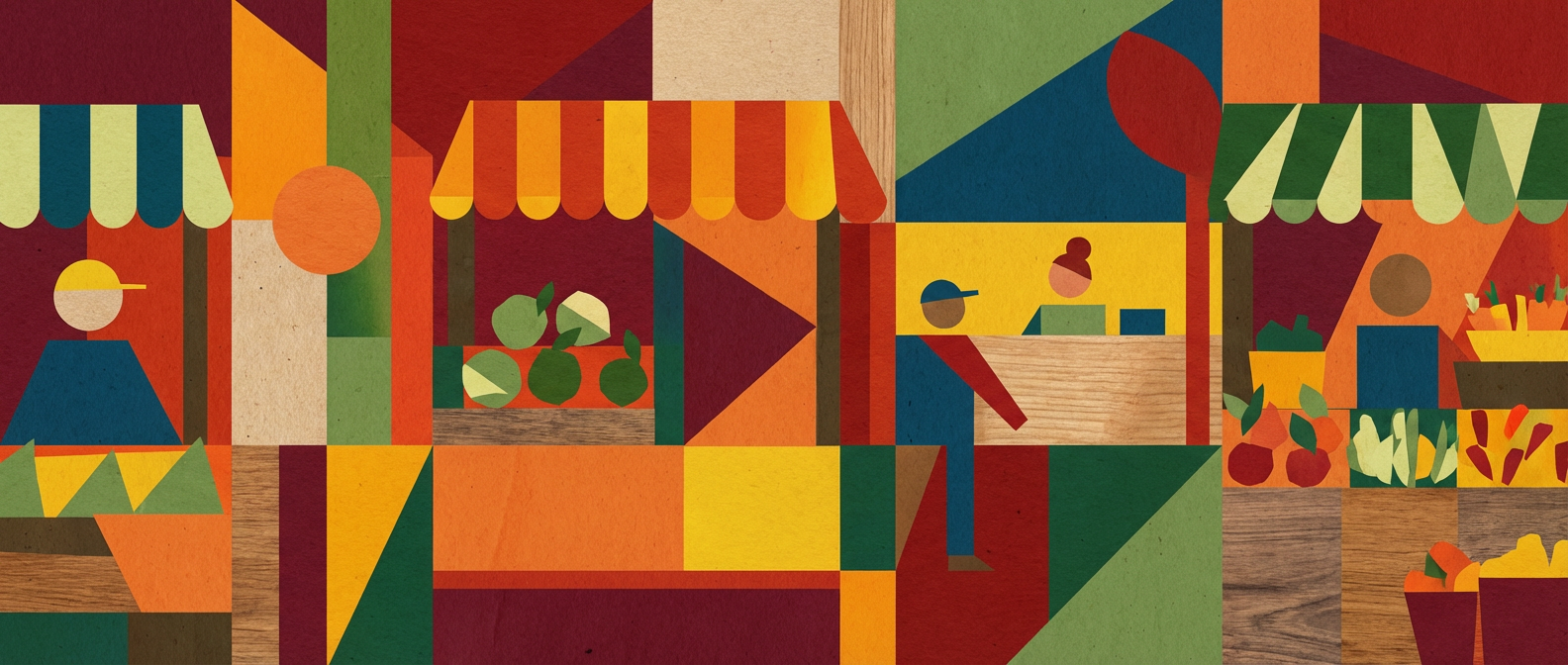
There’s a particular choreography that happens every Saturday morning at the farmers market, and once you know the steps, you can’t unsee it. The vendors arrive in darkness, headlights cutting through the pre-dawn quiet as they transform an empty parking lot into something that feels ancient and essential. By the time the first customers appear, clutching coffee cups and reusable bags, an entire ecosystem of relationships has already been established.
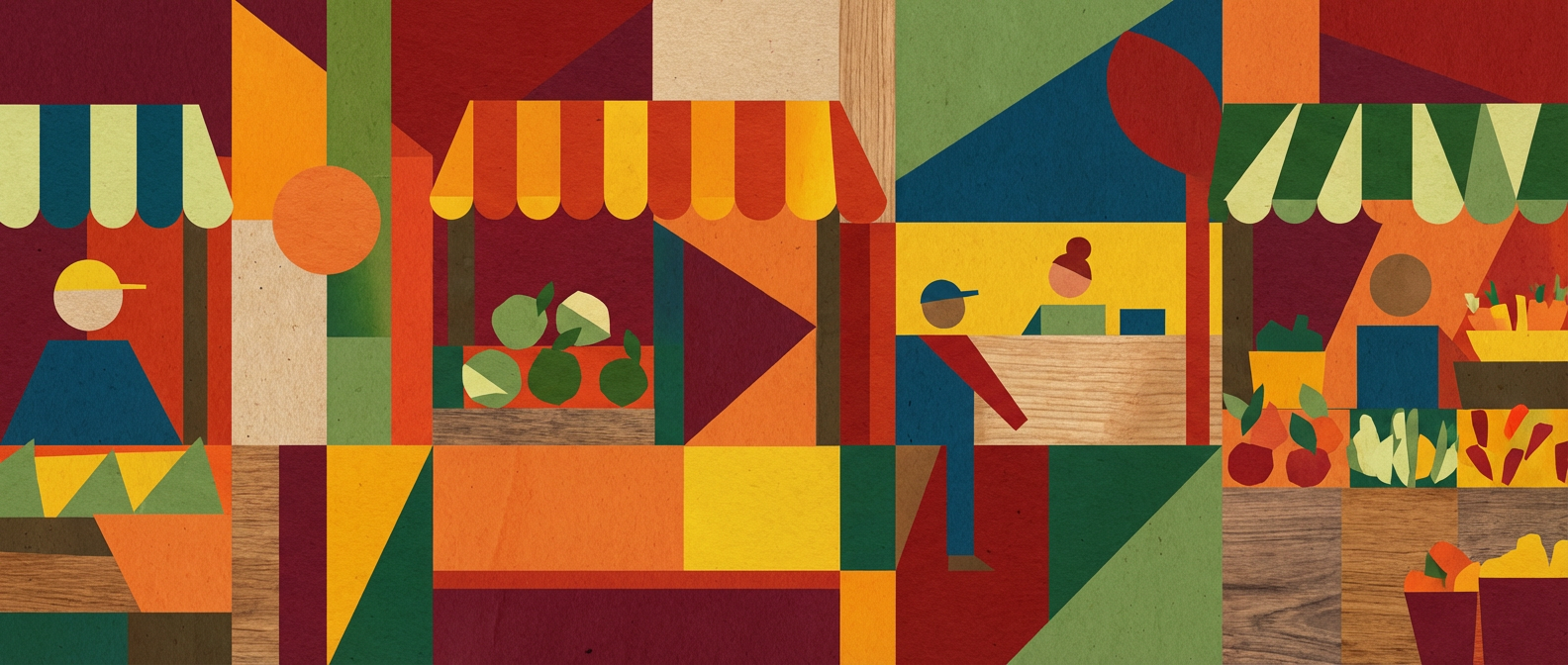
Maria Santos has been setting up her produce stand in the same corner spot for eleven years, and she knows exactly how many steps it takes to walk from her truck to her table. Twenty-three. She knows because her daughter counted them when she was seven, back when helping mom at the market meant arranging apples by size and sneaking strawberries when no one was looking. Now that daughter is eighteen, fluent in the particular Spanish-English hybrid that emerges when explaining the difference between poblano and pasilla peppers to customers who genuinely want to learn.
The structure here isn’t just about tables and canopies. It’s about the invisible networks that keep this place functioning. Maria trades her late-season tomatoes for honey from the bee guy three stalls down. The bread woman saves her day-old loaves for the vendor who makes dog treats. When someone’s truck breaks down, phones start buzzing before the owner even realizes they need help.

The Economics of Passion Projects
People assume farmers markets are quaint weekend hobbies for folks with other income. That romanticism dissolves pretty quickly when you start asking real questions about margins and volume. Take Josh Kim, who quit his marketing job two years ago to make kimchi full-time. His fermentation setup in a shared commercial kitchen costs him more per month than most people pay in rent. He’s calculated that he needs to sell exactly forty-seven jars every Saturday just to break even on ingredients and booth fees.
The math gets messier when you consider the relationships that can’t be quantified on a spreadsheet. Josh’s regular customers don’t just buy kimchi. They bring him pictures of the dishes they’ve made, ask for advice about starting their own fermentation experiments, and sometimes show up with their visiting parents in tow because they want to introduce them to “the kimchi guy.” These interactions keep him coming back each week, even when the numbers suggest he’d be better off selling to restaurants wholesale.
Then there’s the seasonal reality that most customers never see. The strawberry season that everyone waits for all year? It lasts maybe six weeks. If the weather doesn’t cooperate, that’s an entire year’s planning down the drain. Sarah Mitchell, who runs the flower stand that always looks effortlessly abundant, spends January evenings hunched over seed catalogs. She calculates bloom times and bets her mortgage payment on decisions about whether to plant more sunflowers or try that new variety of zinnias.
The Informal Anthropology Lab
If you want to understand a neighborhood’s evolution, spend a few Saturdays watching who shops where and how they interact with vendors. The farmers market is an informal anthropology lab. It reveals patterns about community, class, and cultural exchange that you’d never pick up from census data or city planning documents.
There’s Mrs. Chen, who’s been coming since the market opened fifteen years ago and has a standing arrangement with three different vendors. She gets first pick of the bok choy. The baker sets aside a specific type of sourdough she special-orders. The mushroom vendor saves her the shiitakes that other customers overlook because they don’t know how to cook them. Her presence signals something about the market’s staying power and the vendor community’s institutional memory.
But there are also the newcomers, drawn by Instagram posts about locally-sourced everything. They approach shopping here like they’re collecting experiences rather than ingredients. They want stories about the provenance of their vegetables, take photos of their purchases arranged just so, and sometimes miss the point entirely while getting it exactly right. The vendors have learned to read these different types of curiosity and respond accordingly.
The most interesting interactions happen in the spaces between languages and generations. Watch a vendor’s grandmother teaching a twenty-something customer how to select ripe plantains, or a teenage vendor patiently explaining to someone’s well-meaning but clueless boyfriend that you can’t just grab any bunch of cilantro if you want the good stuff. These micro-exchanges are where the real work of community building happens.
The Unspoken Protocols
Every market develops its own set of unwritten rules. Part of becoming a regular means learning to navigate the subtle social contracts that keep everything running smoothly. There’s an etiquette around sampling that varies from stand to stand. There are timing protocols about when it’s appropriate to ask for deals on items that might not sell. And there’s an understanding about which vendors appreciate chatting and which ones prefer efficient transactions.
The pepper guy, whose real name is David but whom everyone knows by his farm’s name, Wildfire Gardens, has perfected the art of the thirty-second pepper education. He can assess your heat tolerance, cooking style, and flavor preferences faster than most people can decide what they want for lunch. But approach him at 8:15 AM when he’s still setting up, and you’ll get polite but minimal interaction. Come back after 9 AM when his coffee has kicked in, and he’ll tell you stories about the year he accidentally created a hybrid variety that was too hot for anyone except his uncle Miguel.
Then there are the unspoken agreements between vendors. Nobody sets up directly next to someone selling similar products unless there’s really no other option. If a new vendor wants to sell something that overlaps with an established vendor’s specialty, there are conversations that happen away from customer eyes. The flower stands coordinate so they’re not all offering identical bouquets. When the peach season hits, the three different orchards represented at the market have worked out an informal system for highlighting their different varieties rather than competing on price alone.
The Long Game
The vendors who’ve survived here understand that success isn’t measured in weekly sales figures but in the accumulation of relationships and reputation over years. They’re playing a long game that involves weather disasters, changing neighborhoods, economic uncertainty, and the particular challenges of making a living from something that most people see as a weekend leisure activity.
What keeps them coming back isn’t just the income, though that matters more than most customers realize. It’s the satisfaction of watching a kid who used to hide behind their parent’s legs eventually become confident enough to order their own apple cider donuts. It’s seeing a customer’s cooking skills evolve over months of conversations about different varieties of winter squash. It’s being part of a community that values the knowledge and skill required to grow good food, make exceptional bread, or create products that enhance people’s daily lives.
These vendors are cultural workers in the truest sense, maintaining traditions and knowledge that might otherwise disappear while adapting to contemporary realities about food systems, community needs, and what it means to make a living doing work that matters to you. Their stories are worth knowing, not just because they’ll help you find the best tomatoes in town, but because they’re creating the kind of human-scale economy that most of us claim to want but rarely take the time to understand or support intentionally.
Next Saturday, when you’re wandering between the stalls, pay attention to the conversations happening around you. Ask a vendor about something you’ve never tried. Learn someone’s name. The market will still be there whether you engage deeply or just grab your usual items and go, but the richness of what’s available extends far beyond what’s displayed on the tables.