When Murals Became Marketing: The Life and Death of Instagram-First Street Art

The Rise of the Perfect Backdrop: 2014-2019

Remember when you first started seeing those angel wings painted on brick walls around 2016? Not the scraggly, spray-painted kind that had been showing up in alleys for decades, but the perfectly symmetrical, photo-ready versions that seemed designed specifically for selfies. That was the moment street art officially entered its Instagram era, and honestly, it was wild to watch in real time.

When Murals Became Marketing: The Life and Death of Instagram-First Street Art

The shift started around 2014 when businesses figured out that a good mural could bring in more foot traffic than any billboard. I watched this transformation happen on my own block when Maria’s Taco Shop commissioned that massive Day of the Dead piece on their side wall. Within weeks, there were lines of people posing in front of it, and Maria went from struggling to pay rent to hiring two new servers. The mural wasn’t just decoration anymore. It was infrastructure.

Cities caught on fast. By 2017, municipal arts councils were basically mural factories, cranking out Instagram-friendly installations with the efficiency of a social media marketing firm. The formula was simple: bright colors, recognizable imagery, enough space for a person to stand in front without blocking the art. Function followed form, and the form was a vertical rectangle that looked good on a phone screen.

What made this era interesting wasn’t the art itself, but watching traditional street artists navigate this new economy. Some, like my friend Jake who’d been tagging since the early 2000s, refused commissioned work on principle. Others jumped hard into commercial projects, trading the anonymity and risk of illegal work for steady paychecks and city permits. The underground became overground faster than anyone expected.
Illustration for When Murals Became Marketing: The Life and Death of Instagram-First Street Art

Peak Content: The Corporate Mural Boom of 2018-2020

By 2018, every major brand wanted their own piece of “authentic” street art. I started keeping a mental list of corporate murals in my neighborhood: the tech startup with the geometric patterns, the boutique fitness studio with the motivational quote in perfect cursive, the coffee chain with the abstract interpretation of their logo. Each one more calculated than the last.

The quality wasn’t necessarily bad, but the purpose had completely shifted. These weren’t expressions of community identity or political resistance. They were outdoor advertisements disguised as cultural experiences. The artists were skilled, often more technically proficient than their illegal predecessors, but they were working within constraints that would have been unthinkable a decade earlier.

This was also when the mural tour industry exploded. Every city with a halfway decent collection of wall art suddenly had companies offering guided walks and bike tours. Brooklyn, Miami, Los Angeles, even smaller cities like Nashville and Austin built entire tourism strategies around their street art scenes. The irony was perfect: an art form that came from communities excluded from traditional galleries was now being packaged and sold back to tourists.

The pandemic initially seemed like it might slow things down, but the opposite happened. With people desperate for outdoor activities and Instagram content, murals became even more valuable as socially distanced entertainment. Cities fast-tracked public art projects as economic stimulus, and the demand for photo-worthy walls reached a fever pitch.

The Backlash: When Everyone Realized They’d Been Played

The turning point came somewhere around 2021, though you could feel the shift building for months before that. People started getting tired of seeing the same aesthetic everywhere. The angel wings, the “Before I Die” walls, the neon-bright geometric patterns. They all began to feel like visual spam. More importantly, communities started pushing back against the gentrification that seemed to follow every new mural like clockwork.

I remember the controversy over the mural project in East Nashville that got canceled after residents pointed out that none of the featured artists actually lived in the neighborhood. Similar fights broke out in neighborhoods across the country as people began connecting the dots between “arts districts” and rising rents. The street art that was supposed to celebrate community character was actively erasing it.

Artists started openly critiquing the Instagram mural industrial complex. Banksy’s 2019 piece mocking street art tourism felt like a cultural moment, but the real shift happened when younger artists began deliberately creating work that couldn’t be easily photographed or commodified. Temporary installations, location-specific pieces that only made sense to people who lived there, work that actively resisted the selfie impulse.

The aesthetic fatigue was real too. By 2022, even the most enthusiastic mural supporters had to admit that most cities looked exactly the same. The same color palettes, the same composition techniques, the same aspirational messaging. What had started as a celebration of local culture had become a franchise operation.

What’s Actually Happening Now

Walking around my neighborhood today, you can see the street art world trying to figure out what comes next. The big, Instagram-friendly murals are still there, but they’re aging badly, literally and culturally. Some are already being painted over, while others stick around like digital billboards that nobody looks at anymore.

The interesting work is happening in the margins again. Artists are going smaller, more conceptual, more integrated with actual community needs. I’ve seen guerrilla installations that double as neighborhood information boards, temporary pieces that respond to local political issues, collaborative projects that care more about process than final product. The tools and techniques developed during the mural boom are being repurposed for more subtle interventions.

Cities are also recalibrating their approach. The smart ones are moving away from tourism-focused public art toward work that puts residents first. This means longer community engagement periods, local artist requirements, and projects that address neighborhood-specific issues rather than generic beautification.

Technology is playing a role too, but not in the way you might expect. Instead of making art more shareable, new tools are making it more ephemeral and location-specific. Augmented reality installations, QR code-triggered experiences, time-sensitive projections that exist only for people who are physically present at specific moments.

The New Underground

The most compelling development is watching a new generation of artists who grew up during the Instagram mural era but are now actively rejecting its basic assumptions. They understand social media as a native language but choose not to speak it, at least not in their art. Their work is harder to find, harder to photograph, and harder to commodify, which feels intentional.

These artists are borrowing techniques from the corporate mural playbook but using them for different ends. High production values in service of genuinely subversive content, technical skill deployed for work that can’t be easily consumed or shared. It’s street art that has learned from its own commodification and is trying to stay one step ahead of the next wave of appropriation.

This isn’t nostalgia for some imagined golden age of street art. It’s adaptation. The landscape has changed permanently, and the most interesting work is coming from artists who understand both what was gained and what was lost during the Instagram years. They’re building something new from the pieces.

I’m curious what you’re seeing in your own neighborhoods. Are the big murals still drawing crowds, or have people moved on to the next thing? And more importantly, what kind of public art actually helps the communities where you live? Hit me up if you’ve spotted something worth paying attention to.
When the Walls Started Talking Back: How Street Art Found Its Voice in the Digital Age

The Moment Everything Changed

You probably remember where you were when you first saw Banksy’s “Girl with Balloon” get shredded at Sotheby’s in October 2018. I was standing in Marcus’s gallery on the Lower East Side, watching the livestream on someone’s phone while a room full of street art collectors tried to process what had just happened. The piece that sold for 1.4 million pounds had just destroyed itself the moment the hammer fell, and everyone knew we were watching something that would change how the world saw street art forever.

When the Walls Started Talking Back: How Street Art Found Its Voice in the Digital Age

But that moment didn’t happen randomly. It was the result of two decades where street artists learned to balance authenticity with commerce, the streets with the white cube. What made Banksy’s theatrical gesture so powerful wasn’t just the spectacle. It hit at exactly the right moment when street art had gained enough institutional respect to make the critique sting.

The conditions that made this possible had been building since the late 1990s, when artists like Shepard Fairey and Barry McGee started bridging the gap between underground credibility and gallery recognition. They proved you could maintain street cred while selling work to collectors, but only if you never forgot which side of the wall you came from.

Illustration for When the Walls Started Talking Back: How Street Art Found Its Voice in the Digital Age

The Infrastructure of Rebellion

What most people miss about street art’s rise is how much it depended on invisible infrastructure. The photographers who documented pieces before they got buffed. The bloggers who created the first online galleries when Wooster Collective launched in 2001. The festival organizers who gave artists legitimate spaces to work at scale. Each piece of this ecosystem mattered, but none of them would have worked without Instagram.

When Instagram launched in 2010, street art suddenly had a distribution method that matched its guerrilla production. A piece could go up on a wall in Berlin at midnight and be seen by collectors in Los Angeles by breakfast. The app’s visual format was perfect for street art’s bold graphics and quick-hit aesthetic, while the platform’s democratic nature meant that artists didn’t need gallery representation to build global audiences.

I remember talking to JR about this shift back in 2015, right after his “Inside Out” project had taken off globally. He told me that Instagram had changed everything because it allowed artists to control their own narrative. No more waiting for journalists to discover your work or hoping a gallery would take you seriously. You could post your piece, tell your story, and let the audience find you directly.

This direct connection between artist and audience created something unprecedented: street art that was both hyper-local in its creation and instantly global in its reach. A mural responding to gentrification in Oakland could spark conversations about housing policy in London within hours of completion.

The Gatekeepers Start Paying Attention

The art establishment’s embrace of street art wasn’t sudden, it was a slow recognition that these artists had built something the traditional art world couldn’t ignore. When Jeffrey Deitch organized “Art in the Streets” at MOCA Los Angeles in 2011, it wasn’t just the largest street art exhibition ever mounted by a major museum. It was an admission that the cultural conversation had moved beyond institutional walls.

But the real shift happened in the secondary market. When auction houses started creating dedicated street art sales around 2012, they weren’t just responding to collector demand, they were acknowledging that these works had developed their own value systems independent of traditional art market mechanisms. A Kaws companion figure or a Kerry James Marshall painting might sell for similar prices, but they were operating in completely different cultural economies.

What made this moment particularly interesting was how street artists responded to institutional attention. Rather than simply adapting their work for gallery spaces, the most successful artists found ways to maintain the conceptual framework of street art while working within new contexts. KAWS created limited edition toys that worked like multiples. Futura collaborated with fashion brands in ways that treated clothing as mobile canvases. These weren’t sellouts, they were expansions of street art’s core premise that art should exist in public space and daily life.

When the Mainstream Caught Up

Street art truly arrived not through a single event but through a shift in how cities approached public art. When Philadelphia launched its Mural Arts Program expansion in 2014, or when Los Angeles started commissioning murals as part of infrastructure projects, it showed that municipal governments had stopped seeing street art as vandalism and started seeing it as economic development.

This institutional acceptance created new tensions within the community. Artists who had built their reputations on unauthorized work now found themselves being offered public commissions. Some embraced the legitimacy and resources that came with official support. Others saw it as co-optation of a fundamentally oppositional practice.

The most interesting artists found ways to thread this needle by maintaining unauthorized work alongside commissioned pieces. Swoon continued wheat-pasting portraits in abandoned buildings while creating major installations for museums. Os Gemeos painted commissioned murals that used the same surreal imagery they had been developing on São Paulo’s streets for decades.

This dual practice became a defining characteristic of contemporary street art: the ability to move fluidly between sanctioned and unsanctioned spaces while maintaining a coherent artistic vision. It required artists to become entrepreneurs, managing multiple revenue streams while preserving the authentic voice that made their work compelling in the first place.

The Long View from Here

Looking back, the cultural breakthrough of street art seems inevitable, but it required a specific mix of technological, economic, and social factors. Digital documentation and distribution made the work visible beyond its immediate geographic context. A new generation of collectors who had grown up with hip-hop culture provided an audience ready to value art that emerged from urban communities. And a broader cultural shift toward appreciating authentic, handmade objects in an increasingly digital world created space for work that celebrated human presence in public space.

The artists who succeeded weren’t necessarily the most technically skilled or the most theoretically sophisticated. They were the ones who understood that street art’s power came from its ability to create unexpected encounters between art and audience. They knew that a piece of work succeeding wasn’t just about aesthetic impact, it was about timing, location, and cultural context working together to create a moment of recognition.

What we’re seeing now isn’t the end of street art’s cultural moment but its maturation into something more complex and sustainable. The best artists continue to find ways to surprise us, whether they’re working on walls or in galleries, because they understand that the medium was never really about the surface you painted on. It was about finding ways to make art that felt urgent and alive in the world where people actually lived.

Next time you’re walking through your neighborhood, look up from your phone for a minute. The walls are still talking, and some of the best conversations are happening in languages the art world is just starting to learn.

The Corner Where Everything Changed: How Maple Street Found Its Moment

Before the Transformation

Six months ago, the corner of Maple and Third was what urban planners politely call “underutilized.” The old Petrosian’s Market had been shuttered for two years, its hand-painted sign fading behind security grating. Next door, the narrow storefront that once housed Elena’s alterations shop sat empty, collecting dust and half-hearted real estate flyers. I walked past this corner twice daily on my way to the train. You could see how pedestrians unconsciously sped up past the dead storefronts.

The Corner Where Everything Changed: How Maple Street Found Its Moment

The conditions were perfect, though none of us saw it then. Rent was cheap enough for someone with more vision than capital. The foot traffic from the nearby university meant built-in customers hungry for something real. Most importantly, the surrounding blocks had hit that sweet spot where longtime residents lived alongside newcomers without the tensions that wreck other rapidly changing neighborhoods.

What makes a moment catch fire isn’t just opportunity, it’s timing. And timing is about reading the room. This corner had been waiting for someone who understood the room was finally ready.

Illustration for The Corner Where Everything Changed: How Maple Street Found Its Moment

The Arrival of Catalyst

Marcus Thompson moved into the old market space in September, but he’d been watching this corner for eight months before signing the lease. I first met him at Dolores Coffee two blocks over, where he’d sit with architectural drawings spread across the communal table, sketching layouts and scribbling notes about sight lines and natural light. He wasn’t just planning a coffee shop. He was engineering an experience.

When Catalyst finally opened in late October, it felt inevitable the way only perfectly executed ideas do. The exposed brick revealed during renovation told the building’s story without overwhelming it. The long community table made from reclaimed gymnasium bleachers created natural conversation zones. The menu board, hand-lettered by local artist Sophia Chen, changed weekly to reflect seasonal ingredients from the farmers market six blocks north.

But the genius was in the details most people never consciously noticed. The speakers were positioned to create acoustic zones where conversations could happen without overwhelming background chatter. The electrical outlets were thoughtfully placed to accommodate laptops without creating charging station camps. The bathroom key was attached to a vintage doorknob heavy enough to prevent absent-minded pocket theft but beautiful enough that you didn’t mind carrying it.

Within three weeks, the morning regulars had established their unspoken territorial claims. Dr. Patel from the pediatric practice took the corner table by the window. The graduate students colonized the long table after 2 PM. Local real estate agent Carmen Rodriguez held her client meetings in the alcove near the bookshelf Marcus had stocked with neighborhood history and poetry collections.

The Ripple Effect Takes Hold

Cultural tipping points are rarely about single locations. They’re about ecosystems. By December, Elena had reopened her alterations shop next door, but with an expanded focus on sustainable fashion and clothing swaps. The increased foot traffic from Catalyst gave her the confidence to experiment with community programming. Her first “Stitch and Stories” evening drew twelve people. The third event had a waiting list.

The empty storefront across the street, dormant for eighteen months, suddenly sprouted “Coming Soon” signs for Groove Records, a vinyl shop run by two DJs who’d been operating online since the pandemic began. They’d been scouting locations for six months, but seeing the energy building around Catalyst convinced them this corner could support their vision of afternoon listening parties and weekend DJ workshops.

The transformation picked up speed through winter in ways that surprised even Marcus. The city’s public art commission approached him about hosting monthly installations in his front windows. The neighborhood association moved their meetings to Catalyst’s back room, tripling attendance. Local high school students started using the space for study groups, bringing their teachers and parents into the circle of regulars.

What emerged wasn’t gentrification in the displacing sense, but something I’d call cultural densification. The corner became a focal point that drew out connections already present in the neighborhood but previously scattered and informal. Mrs. Rodriguez discovered that her Tuesday morning coffee companion was Dr. Patel’s patient’s grandmother. The graduate students started joining Elena’s clothing swaps, trading academic conference outfits for vintage finds.

Reading the Room, Sustaining the Moment

The test of any cultural moment is whether it can keep its energy without losing what made it special in the first place. By February, Catalyst faced the pressures that come with early success. Weekend lines stretched down the block. Yelp reviewers from downtown discovered the place, bringing crowds that sometimes overwhelmed the carefully calibrated atmosphere Marcus had created.

His response showed why this moment took hold when others might have collapsed under similar pressures. Instead of expanding hours or adding more seating, he instituted “Neighbor Hours” from 7 to 9 AM, when only people who lived within six blocks could order. He partnered with Elena and the owners of Groove Records to create a “Corner Card” that offered small discounts but, more importantly, identified holders as people invested in the community rather than just consuming it.

The brilliance of these moves was that they didn’t exclude outsiders. They created incentives for outsiders to become insiders. People started apartment hunting in the neighborhood specifically to qualify for Neighbor Hours. The Corner Card became a conversation starter that connected newcomers with longtime residents who could explain the significance of Dr. Patel’s research or Mrs. Rodriguez’s role in fighting the highway expansion twenty years ago.

Six months in, this corner has achieved something rare in urban spaces: it has become truly indispensable to the people who use it, while remaining genuinely welcoming to people encountering it for the first time. The morning regulars have developed enough investment in the space to self-police behavior that might disrupt its atmosphere. Newcomers quickly absorb the unspoken protocols that keep conversations at appropriate volumes and laptops from monopolizing tables during peak hours.

The Conditions for Lightning

Studying this corner’s transformation reveals the specific conditions that allow cultural moments to take hold and sustain themselves. Physical affordability created the foundation, but cultural readiness made the difference between success and failure. The neighborhood had reached sufficient density to support ambitious programming without losing the intimacy that makes programming feel personal rather than commercial.

Marcus understood that creating a gathering place isn’t about imposing a vision. It’s about recognizing the social dynamics already present and building infrastructure that amplifies them. The success of Catalyst wasn’t just about good coffee or thoughtful design, though both mattered enormously. It was about identifying the specific social needs of this particular community and creating space for those needs to be met organically.

The ripple effects keep evolving. Elena is planning a summer fashion show featuring local designers. Groove Records is talking with the community college about internship programs. The neighborhood association is discussing how to replicate this energy on other underutilized corners without losing what makes this one special.

What strikes me most about this transformation is how it happened without fanfare or master planning. Just someone who knew how to read a room and create conditions for the room to read itself. Next time you’re walking through your own neighborhood, pay attention to the corners that feel like they’re waiting for something. The conditions for cultural moments are more common than we think. The question is whether we’re paying enough attention to recognize them.

When Lightning Strikes: How Maya Chen’s Ceramic Installation Captured a City’s Attention

The Moment Everything Changed

Three weeks ago, Maya Chen was still glazing bowls in her cramped Riverside studio, selling pieces at the Saturday farmers market for enough to cover rent and maybe grab dinner at Pho Saigon afterward. Then the Meridian Contemporary Art Center called. They had an emergency cancellation for their main gallery space and remembered her proposal from eighteen months earlier. Could she fill 2,400 square feet in six weeks?

When Lightning Strikes: How Maya Chen's Ceramic Installation Captured a City's Attention
When Lightning Strikes: How Maya Chen’s Ceramic Installation Captured a City’s Attention

The opening last Friday night drew lines around the block. Not the polite art crowd lines we’re used to seeing at gallery openings, but actual lines of people who had never set foot in an art space before. Maya’s installation “Fractured Ground” has 847 ceramic vessels, each one representing a demolished building in our city’s rapidly changing downtown core. The pieces are arranged across the floor in the exact geographic pattern of where these structures once stood, creating a fragmented map you can walk through.

But here’s what makes this moment different from other breakout artist stories. Maya didn’t just capture attention because her work is beautiful or technically impressive, though it’s both. She captured something that was already floating in the collective consciousness of everyone who lives here and gave it physical form at exactly the moment when we needed to see it rendered tangible.

Illustration for When Lightning Strikes: How Maya Chen's Ceramic Installation Captured a City's Attention
Illustration for When Lightning Strikes: How Maya Chen’s Ceramic Installation Captured a City’s Attention

The Conditions That Made This Possible

Maya’s rise wasn’t accidental. She spent five years building relationships with the small community of ceramicists working out of the Riverside Arts Collective, sharing kiln space and technical knowledge with artists like David Park and Lisa Tremaine, who have been quietly developing their own distinctive approaches to clay. When Maya needed extra hands to install 847 pieces in six weeks, this network mobilized immediately.

The timing aligned with several other factors that created the perfect storm for cultural breakthrough. The city’s planning commission had just released their controversial downtown development report, sparking heated community meetings that Maya attended religiously. Local journalist Rebecca Torres had been covering the demolition story for two years, building public awareness about the scale of change happening in our neighborhoods. The arts center, meanwhile, was facing its own pressure to demonstrate community relevance after the city council questioned their funding allocation.

Maya also benefited from what gallery director James Walsh calls “the documentation generation.” Her process videos on Instagram, showing her creating vessel after vessel while researching the histories of demolished buildings, built an audience that felt invested in the project’s completion. By opening night, people weren’t just coming to see finished art. They were coming to witness the culmination of a process they had been following for months.

The Work Itself and Why It Resonates

Each ceramic vessel in “Fractured Ground” corresponds to a specific demolished building, with the size and form of the vessel reflecting the building’s original scale and architectural character. Maya spent months in city archives, photographing buildings slated for demolition and documenting their histories. The corner grocery store that served the Latino community for forty years becomes a wide, low bowl. The three-story Victorian that housed four families transforms into a tall, narrow vase with delicate handles representing the fire escapes.

What makes the installation powerful is not just the individual pieces but the negative space between them. Walking through the gallery, you experience the gaps where buildings once stood, the isolation of structures that lost their neighbors, the clusters that represented intact communities. Maya glazed each piece in colors pulled from photographs of the original buildings, so the installation shimmers with fragments of yellow brick, red tile, and weathered wood siding.

The work functions simultaneously as memorial, map, and critique without ever feeling heavy-handed. Visitors find themselves moving slowly through the space, reading the small placards that give each building’s address and demolition date, often stopping to take photos of vessels that represent places they remember. Children instinctively understand the project and move carefully between the pieces, treating them with the reverence usually reserved for graveyards.

The Ripple Effects

Maya’s breakthrough is already generating opportunities for other artists in her circle. The arts center has fast-tracked proposals from David Park for a sculpture series about water infrastructure and Lisa Tremaine for a community-based pottery project. Local collector Sarah Martinez, who bought three pieces from Maya’s installation, is now making studio visits to other ceramicists and considering her first major acquisition of contemporary art.

More significantly, the installation has sparked conversations that extend far beyond art circles. City councilwoman Jennifer Hayes attended the opening and announced plans for a series of community forums about preservation and development. The local historical society, which had been struggling with declining membership, reported a surge in volunteers interested in documenting at-risk buildings. Three neighborhood associations have reached out to Maya about commissioning similar projects for their communities.

The economic impact is already visible. Maya sold twelve pieces opening night and has a waiting list for commissioned works extending into next year. She’s in conversations with galleries in two other cities about touring versions of the installation. More importantly for the long term, she’s been invited to apply for a major public art commission that would fund two years of community-engaged work.

What This Moment Teaches Us

Maya’s success illuminates the conditions necessary for cultural breakthrough in smaller cities. It requires an artist who understands their community deeply enough to identify shared concerns and translate them into compelling visual language. It demands institutional support willing to take risks and respond quickly to opportunities. Most critically, it needs the convergence of artistic vision with broader cultural conversation.

The installation succeeds because Maya didn’t try to create universal art that could work anywhere. She created work so specifically rooted in our particular moment and place that it became impossible to ignore. The universality emerges from the specificity, not despite it. Other cities dealing with rapid development can see their own stories reflected in Maya’s ceramic maps, but the power comes from how precisely she captured our experience.

This is how cultural peaks actually happen in places like ours. Not through importing established artists or copying successful models from larger cities, but through supporting artists who are already here, who understand the specific textures of local experience, who have spent years building the relationships and developing the skills necessary to seize the moment when it arrives.

“Fractured Ground” runs through December at Meridian Contemporary Art Center, but if you want to see what Maya and her collaborators do next, follow the Riverside Arts Collective on social media and show up to their monthly open studios. The next breakthrough is probably already taking shape in someone’s kiln.

The Secret Language of Soil: Inside the Underground World of Community Gardens

Where Strangers Become Neighbors Over Shared Dirt

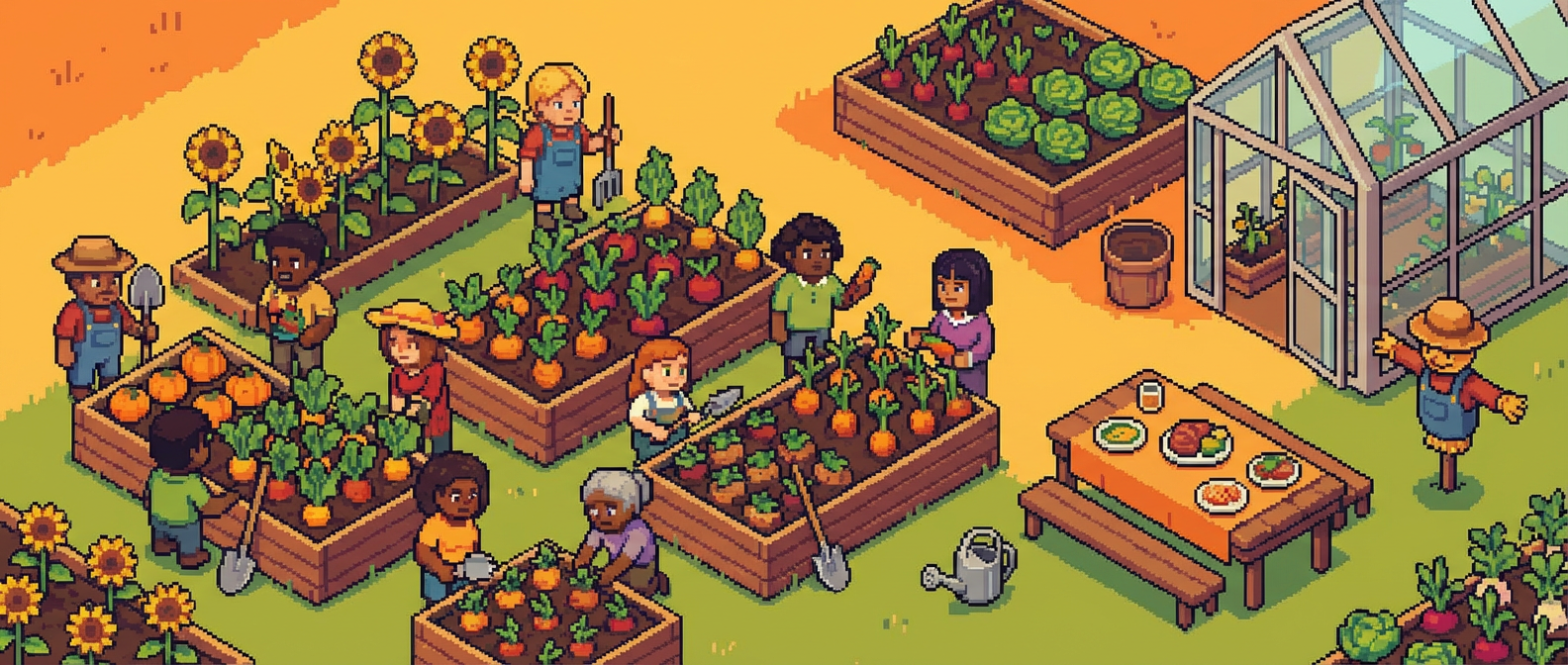
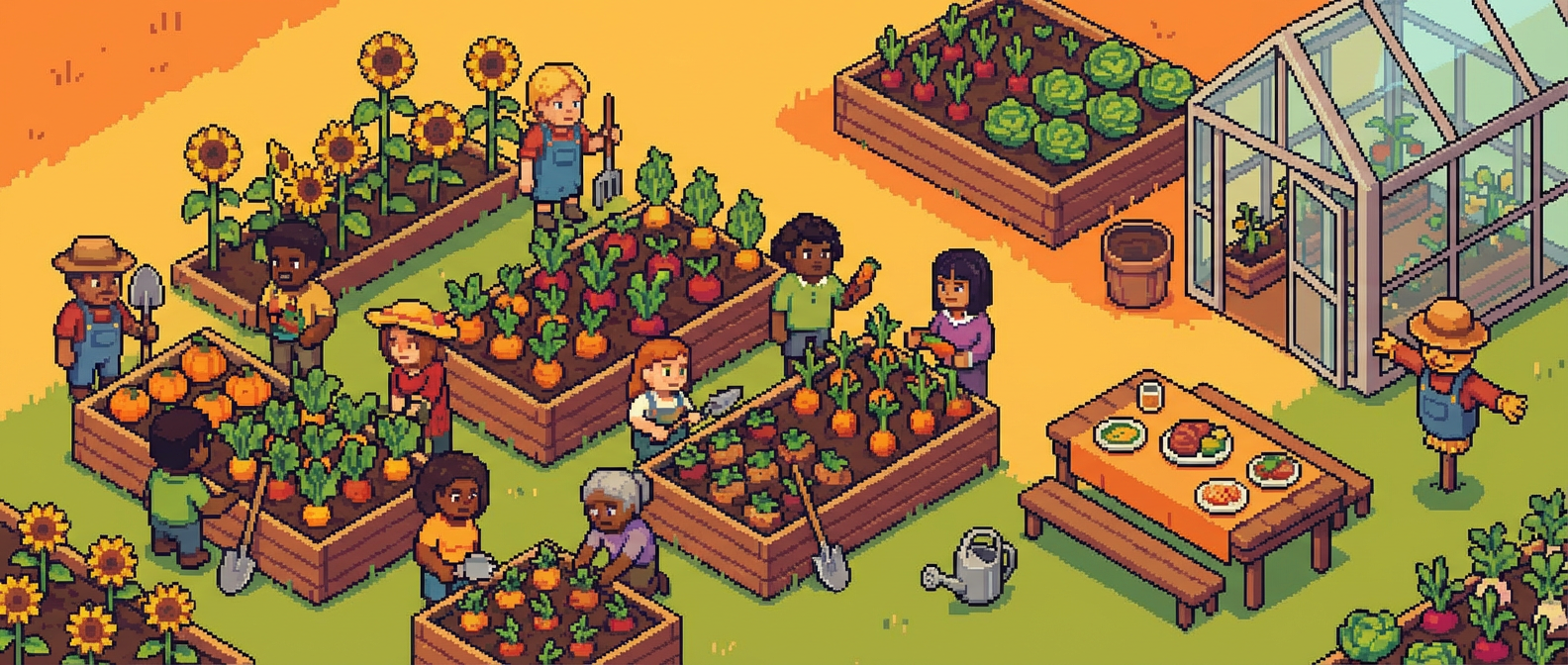
Last Tuesday morning at the Elmwood Community Garden, I watched Maria Santos teach a group of teenagers how to identify beneficial insects while her seventy-year-old plot neighbor, Harold Kim, explained companion planting in broken English mixed with fluent Korean. Three plots over, someone was playing Afrobeats from a bluetooth speaker while harvesting collard greens. This is what community gardens actually look like when you peel back the Instagram-worthy shots of perfect tomatoes and staged tool arrangements.

The Secret Language of Soil: Inside the Underground World of Community Gardens

Community gardens are more than just shared growing spaces. They’re informal cultural exchanges, neighborhood meeting rooms, and sometimes the only place where people who’ve lived on the same block for years finally introduce themselves. The dirt under everyone’s fingernails becomes a great equalizer. The woman who intimidated you at the grocery store checkout? She’s the person who saves your seedlings when you’re out of town.

These spaces have their own social ecosystems that develop organically around seasonal rhythms and shared resources. Plot holders develop unspoken rules about borrowed tools, water usage, and the delicate politics of whose compost pile attracts the most rats. Every garden has its characters: the overachiever whose plot looks like a magazine spread, the experimenter testing out purple carrots and glass gem corn, and the social coordinator who remembers everyone’s birthday and organizes the annual harvest potluck.

Illustration for The Secret Language of Soil: Inside the Underground World of Community Gardens

The Underground Economy of Seeds and Stories

Walk through any established community garden and you’ll witness an informal economy based on surplus and scarcity. Gardeners trade heirloom tomato seeds saved from last season for advice about organic pest control. Someone always has too many zucchini in August, which becomes currency for winter squash in October. These exchanges create networks that extend beyond garden borders.

At the Riverside Gardens in North Portland, plot holder Chen Wu runs what amounts to an unofficial seed library from his toolshed. He’s collected varieties from fellow gardeners who moved away, inherited plants from neighbors who passed away, and maintained genetic lines that trace back to gardens in Taiwan and Mexico. When new gardeners join, Chen becomes their unofficial guide, sharing not just seeds but the stories attached to each variety.

This knowledge transfer happens constantly but rarely gets documented. An elderly Italian gardener named Giuseppe shows newcomers how to properly prune tomatoes using techniques his grandfather taught him in Sicily. A young mother demonstrates how to make liquid fertilizer from compost tea while her toddler examines earthworms. These skills and stories create cultural connections that link urban spaces to rural traditions and immigrant experiences to American soil.

Community gardens develop their own governance structures that reveal how small groups negotiate shared resources and conflicting values. Garden committees hold meetings that can rival city council sessions for passionate debate over issues like organic certification, dog policies, and whether to allow children’s play areas near the growing beds. These discussions force neighbors to spell out their values about environment, community, and responsibility.

The most successful gardens develop systems that accommodate different gardening philosophies and cultural practices. Some plots have raised beds with geometric precision while others embrace permaculture principles with seemingly chaotic plant guilds. Mexican gardeners might intercrop corn, beans, and squash using ancient techniques while their Korean neighbors create elaborate terraced growing systems. The challenge lies in maintaining individual expression while protecting shared resources like water access and soil health.

Conflict resolution in these spaces requires the same skills as any community organizing. When someone’s plot becomes overgrown with invasive weeds or their irrigation practices affect neighboring plots, gardens rely on gentle peer pressure and collective problem-solving rather than formal enforcement. The most effective garden coordinators act more like community mediators than rule enforcers, helping members find solutions that respect both individual needs and collective well-being.

Seasonal Rhythms and Urban Ritual

Community gardens operate on natural cycles that create their own calendar of shared experiences. Spring means seed-starting parties where gardeners gather in someone’s basement or garage, sharing grow lights and potting soil while planning the season ahead. Summer brings early morning watering routines where regular gardeners develop casual friendships over coffee and harvest reports. Fall means preservation workshops where members learn canning techniques and share recipes for dealing with abundant harvests.

These seasonal gatherings often incorporate cultural traditions from garden members’ backgrounds. The autumn festival at Sunset Community Gardens has Mexican Day of the Dead altars decorated with marigolds grown on-site, Korean fermentation demonstrations using garden vegetables, and traditional Irish storytelling around a fire pit fed with dried sunflower stalks. These events create space for cultural sharing that feels organic rather than performative.

Winter transforms community gardens into planning spaces where members dream about next year’s experiments while maintaining compost piles and seed-saving projects. Tool maintenance parties become social gatherings where experienced gardeners teach newcomers how to sharpen hoes and oil wooden handles. These quieter months allow the community aspects to develop without the intense focus on growing that dominates the active season.

Growing More Than Vegetables

The most established community gardens become neighborhood anchors that support broader community organizing and cultural programming. Food justice advocates use garden spaces to teach workshops about nutrition and food access. Local artists collaborate on mural projects and sculptural installations that reflect the cultural diversity of garden members. Environmental educators bring school groups to learn about soil health and pollinator habitat.

These expanded programs create bridges between the gardening community and neighbors who might not be interested in growing their own food but appreciate having green space and community programming in their area. Garden-based cooking classes, herbal medicine workshops, and composting demonstrations attract participants who eventually become plot holders or volunteers during busy seasons.

The children who grow up around community gardens develop different relationships with food production and environmental stewardship than their peers. They learn that carrots come from dirt, not plastic bags, and understand seasonal eating as a natural rhythm rather than a trendy diet choice. Many adult gardeners trace their interest in growing food back to childhood experiences in community gardens, creating generational connections that strengthen these spaces over time.

Community gardens succeed when they balance individual growing goals with collective community building, creating spaces where neighbors become friends over shared harvests and borrowed tools. If you’ve been curious about the community garden in your neighborhood, stop by during morning watering hours when regular gardeners are most likely to be around. Bring genuine interest and maybe some coffee, and you’ll discover the particular culture that’s taken root in your corner of the world.

Why Your Favorite New Artist Probably Can’t Afford Rent

Last Thursday at Meridian Gallery, I watched twenty-somethings in thrift store blazers sip two-dollar wine while staring at paintings priced at $3,500. The artist, Maya Chen, stood in the corner looking like she’d rather be anywhere else. When I asked her about sales, she shrugged and said she was hoping to sell enough pieces to cover her studio rent for the next two months. The math didn’t work out. She’d need to sell at least four paintings, and by closing time, she’d sold zero.

This scene plays out weekly across the city. We have more local artistic talent than ever before, but I’m watching that same talent struggle to survive in an economy that treats creative work like a luxury hobby. The disconnect isn’t just unfortunate. It’s changing who gets to make art and what kind of art gets made.

The Real Cost of Making It

Talk to any emerging artist right now and the conversation turns to money within five minutes. Zoe Nakamura’s ceramic installations have appeared in three group shows this year. She still works four restaurant shifts a week to afford her $800 monthly studio share. She calculates that each piece takes about forty hours to complete, not counting firing time or the three attempts that cracked in the kiln. When galleries take their standard 50% commission, she’s working for about $3 an hour.

The economics get more brutal when you factor in materials. Printmaker David Restrepo showed me receipts from his last lithography series. $2,200 for paper, ink, and studio time to produce twelve prints. He’s selling them for $450 each, which sounds reasonable until you realize he needs to sell at least six just to break even. The remaining six need to cover his living expenses, health insurance, and hopefully some savings for the next project.

The city celebrates its “thriving arts scene” in tourism brochures while offering exactly zero affordable studio spaces. Arts funding has been cut for the third consecutive year. The mayor’s office loves to post Instagram photos from gallery openings, but nobody’s asking where these artists will be in five years if they can’t pay rent.

Who Gets to Be Discovered

The artists gaining traction aren’t necessarily the most talented. They’re the ones who can afford to work for free long enough to build a following. Emma Rodriguez quit her marketing job to focus on painting, sustained by a trust fund that most artists can’t access. Her work is good, but so is Maya Chen’s, and so is the work of dozens of other artists who can’t afford to stop waiting tables.

This creates a feedback loop where economic privilege masquerades as artistic vision. Gallery owners, themselves operating on thin margins, naturally gravitate toward artists who can afford professional photography, quality framing, and the time to attend networking events. The result? A local art scene that’s increasingly homogeneous. Not because of intentional exclusion, but because economic barriers are doing the filtering.

I’ve watched promising artists leave the city not because they lacked talent or drive, but because they couldn’t pursue their practice and afford basic living expenses. Sculptor Jenny Park moved to Cleveland last month after calculating that her sculpture materials budget alone exceeded what most people pay for rent here. She found a 2,000-square-foot studio there for what a bedroom costs downtown.

The Hustle Economy Hits Art

Walk through the warehouse district on any weekend and you’ll see the creative adaptation happening in real time. Multi-use spaces where artists sublease corners to jewelry makers who share wall space with photographers who host pop-up dinners to split rent costs. It’s resourceful, but it’s also exhausting and unsustainable.

Metalworker Sam Chen runs welding workshops out of his studio three evenings a week. Not because he wants to teach, but because he needs the income. His own work suffers. The elaborate installations he’s known for require uninterrupted studio time he can’t afford to block out. Instead, he’s pivoting to smaller, quicker pieces that can be completed between teaching gigs and his day job at an architectural firm.

The maker movement gets romanticized as entrepreneurial spirit, but scratch the surface and you’ll find artists burning out from managing social media, teaching classes, running Etsy shops, and somehow finding time to actually create. The most successful emerging artists I know spend more time marketing themselves than making art. That’s not sustainable. It’s definitely not producing the best work.

What Thriving Actually Looks Like

Real support means acknowledging these economic realities instead of celebrating a scene that’s gradually pricing out its own talent. Portland’s Affordable Artist Housing Initiative provides below-market studios with five-year leases. Detroit’s Kresge Foundation offers no-strings-attached $25,000 grants to working artists. These aren’t charity programs. They’re investments in cultural infrastructure.

Local businesses could play a role beyond hosting monthly art walks. Coffee shops, restaurants, and retail spaces could establish artist residency programs instead of just hanging work on consignment. Law firms and tech companies could commission pieces directly from artists rather than buying through galleries that take hefty commissions.

The artists are here. The talent is undeniable, and the hunger to create meaningful work is palpable. Maya Chen is planning her next show despite Thursday’s disappointing sales. David Restrepo is applying for grants while working on a new print series. They’re not asking for handouts. They’re asking for an economic structure that allows creativity to coexist with basic financial survival.

The question isn’t whether we have good artists. The question is whether we’re building a city where those artists can afford to stay long enough for their work to matter.