The Long Take as Sanctuary: How Young Audiences Found Themselves in Slow Cinema’s Patient Gaze

The Theaters Are Full Again, But Not for the Movies You’d Expect

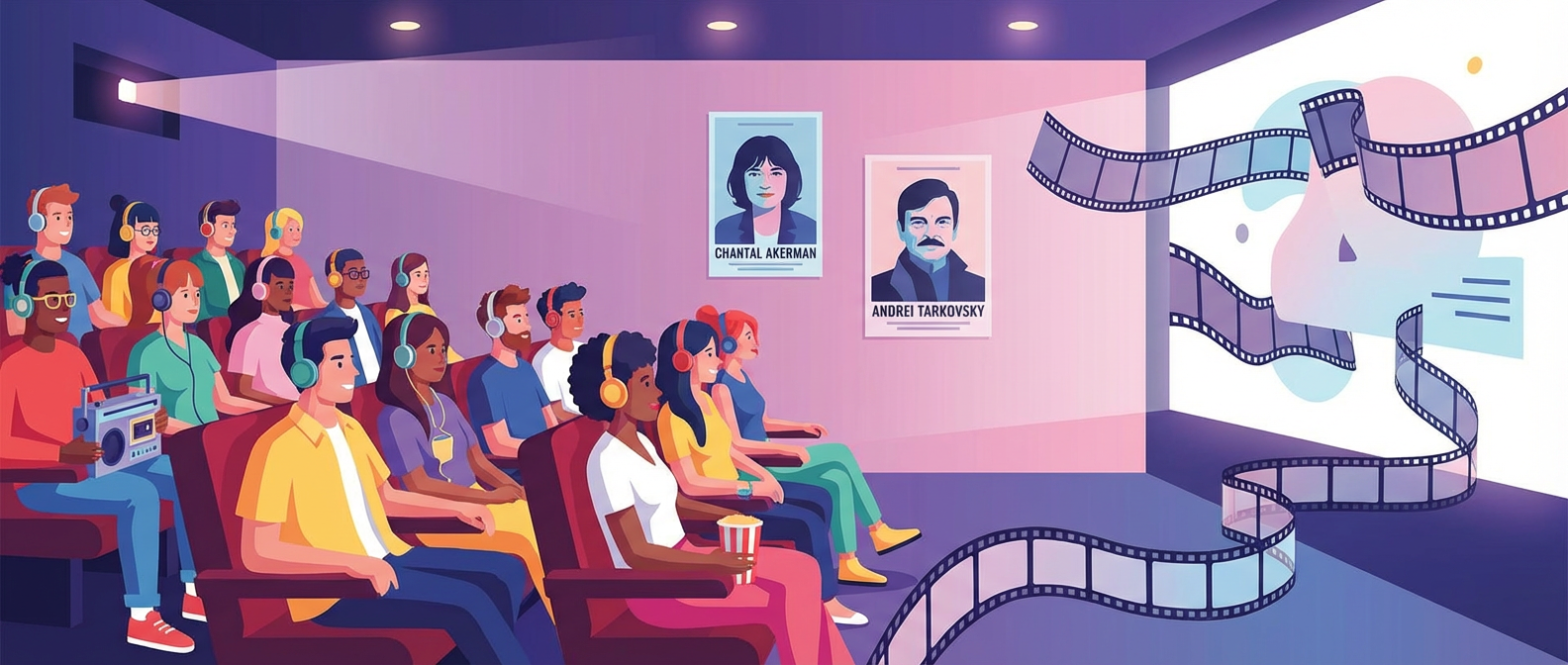
There’s a specific kind of quiet that happens in a theater when nothing much is happening on screen. Not the quiet of boredom or restlessness, but something closer to consensus. In January, I watched a sold-out crowd file into Metrograph on a Friday night for the first of three consecutive weekend marathons devoted entirely to Chantal Akerman’s complete works. The theater was packed in a way that felt almost defiant, like everyone had decided simultaneously that they wanted their time back, that they wanted to sit with something for longer than the algorithm suggested they should. Over the course of those three weekends, Metrograph moved 1,800 tickets for films where patience isn’t a virtue but the actual subject matter.
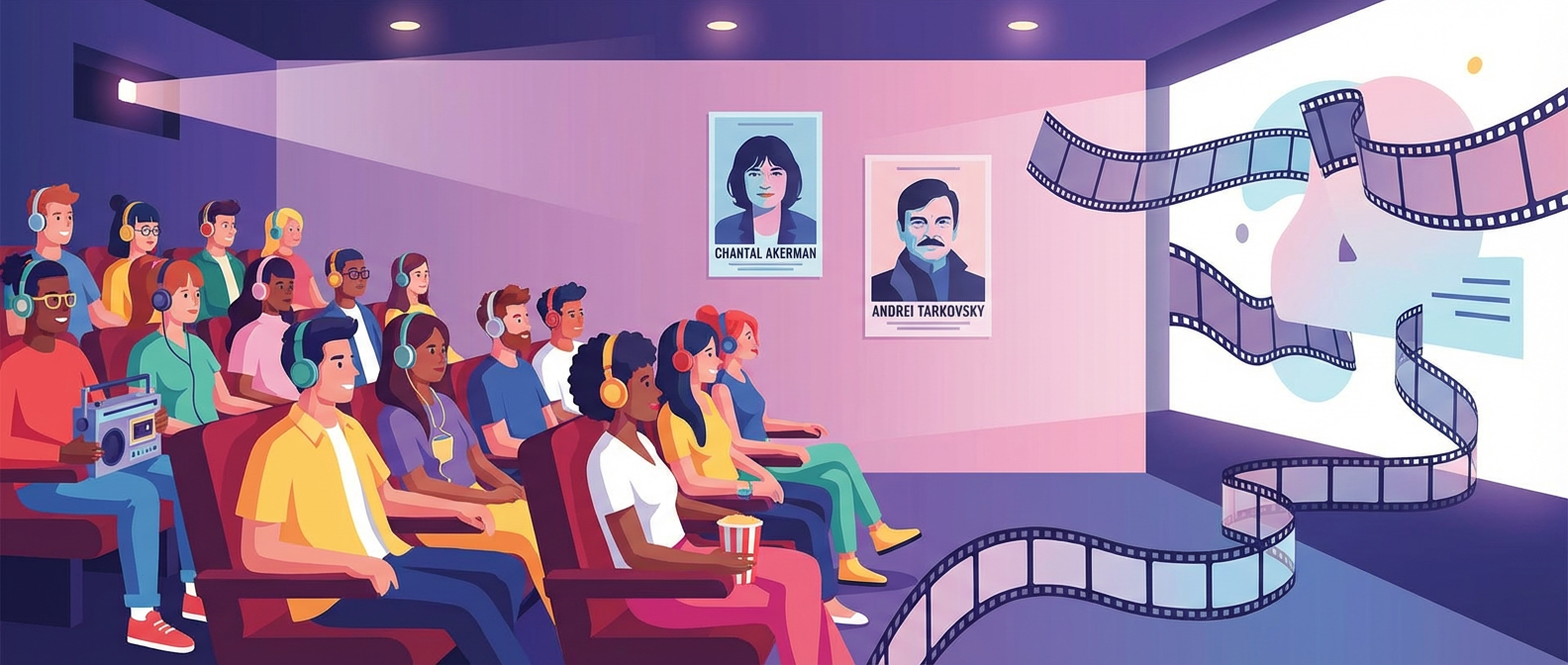
The Long Take as Sanctuary: How Young Audiences Found Themselves in Slow Cinema's Patient Gaze
The Long Take as Sanctuary: How Young Audiences Found Themselves in Slow Cinema’s Patient Gaze

This isn’t a fringe thing anymore. It’s happening at the places that matter. The BFI Southbank’s Tarkovsky retrospective last year drew 6,400 people across three weeks, making it the strongest turnout for any repertory series since 2019. That’s not the number for a nostalgic holdover event. That’s the number for something people genuinely want to see. And they’re not all film professors or silver-haired cinephiles. Walk into these screenings and you’ll see people who were born after streaming made the theatrical experience optional. They’re choosing to be there. They’re choosing duration.
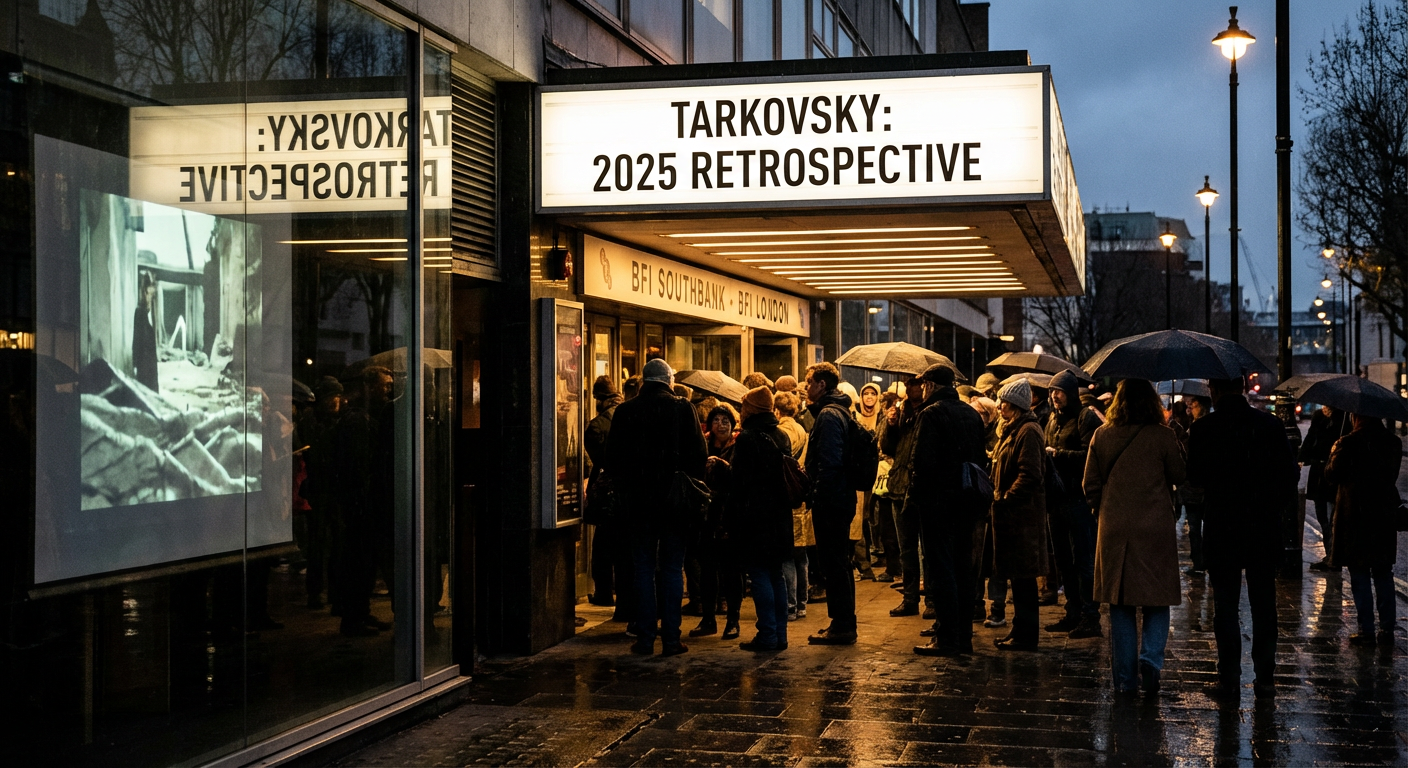
Illustration for The Long Take as Sanctuary: How Young Audiences Found Themselves in Slow Cinema's Patient Gaze
Illustration for The Long Take as Sanctuary: How Young Audiences Found Themselves in Slow Cinema’s Patient Gaze

What Cortisol Levels Can’t Explain (But Might Hint At)

There’s a study from late last year that researchers keep mentioning, the kind of hard data that makes slow cinema harder to dismiss as pure aesthetics or generational affectation. Post-screening cortisol levels in viewers of slow cinema tested noticeably lower than they did in people who’d just watched action-heavy films. Which is science-speak for: your nervous system actually calms down when you sit with a long take. When you’re not being assaulted by cuts every two seconds, when a camera can stay still and let you settle into a space, something happens. The amygdala gets quieter.

But the numbers say something else too, something harder to quantify. Streaming metrics from Criterion Channel show a 45% jump in viewing hours for films with average shot lengths over 15 seconds among users aged 18 to 28 between 2024 and 2025. That’s not a generational fluke. That’s a sustained pattern. Young people are seeking this out on their own time, finding it in their algorithm feeds, and then deciding they want to experience it in public, in the dark, with other people. Criterion Channel’s editorial on the slow cinema surge documented the shift with the kind of precision you get when a trend stops being a trend and becomes a behavior.

The real story isn’t about wellness, though the cortisol study is real. It’s about what happens when you remove stimulation and people realize they’ve been starving for it. When you sit for three hours with Akerman’s compositional minimalism or Tarkovsky’s philosophical patience, you’re not getting a break from life. You’re getting a break from the noise that’s been substituting for life.

The Viral Slowdown: When the Internet Decided to Go Quiet

February brought something that would have seemed impossible five years ago: a slow film challenge that accumulated over 2.1 million posts on Film Twitter and Letterboxd combined. The concept was simple enough to be almost subversive. Watch one canonically slow film per week for a month. Four weeks. Four films. No rush. And people did it. They posted their watches. They argued about duration as an aesthetic principle. They discovered films they’d previously dismissed as inaccessible. The hashtag didn’t trend because of algorithm manipulation or influencer coordination. It trended because people genuinely wanted to talk about taking their time with things.

What made it interesting wasn’t just the participation numbers, though those numbers matter. It was the language people used. Nobody was performing difficulty for clout. They were describing something closer to relief. Relief at permission to be slow. Relief at the idea that a three-minute static shot of a room might contain everything you need to understand about loneliness or memory or waiting. Relief at the possibility that not every moment needs to be productively consumed, that sometimes the point is the duration itself.

The Venues Holding the Line

Metrograph sold out those Akerman marathons before the announcement even fully circulated. The theater, which opened in 2016 in a moment when everyone was predicting the death of the repertory cinema model, had somehow become the place where this particular cultural insurrection was happening. BFI’s 2025 repertory programming report made it clear that London wasn’t alone in this. Arthouse circuits across Europe and North America are programming longer, slower work and finding that audiences show up. Not out of obligation or academic requirement, but because there’s hunger.

The theaters themselves are the real story here. They’re the places where young people can still gather without buying anything, without the interaction being mediated by an app, without the experience being trackable or quantifiable in ways that matter to anybody but them. In a moment when almost every other cultural space has been optimized for engagement metrics, these theaters remain stubbornly resistant to that logic. You can’t scroll during Tarkovsky. You can’t skip ahead. You’re just there, and the film is there, and that’s the entire transaction.

Staying Curious About What’s Changing

The real question isn’t whether this is a trend that will fade, though people will certainly ask that. It’s what this particular hunger tells us about where young culture actually is right now. These aren’t people rejecting their era’s aesthetic possibilities. They’re people who’ve lived their entire media lives inside an attention economy and are discovering that opting out, even temporarily, even voluntarily, even for three hours in a dark theater, might be its own form of resistance. Or maybe not resistance. Maybe just sanity.

If you haven’t experienced a slow film in a theater full of people who chose to be there, it’s worth your time. Not because it’s good for you, though the cortisol thing is real. But because it’s strange and genuine and happening right now, and the places hosting these events are still figuring out who they’re for. That kind of thing doesn’t last forever in cities. Neither do the theaters.
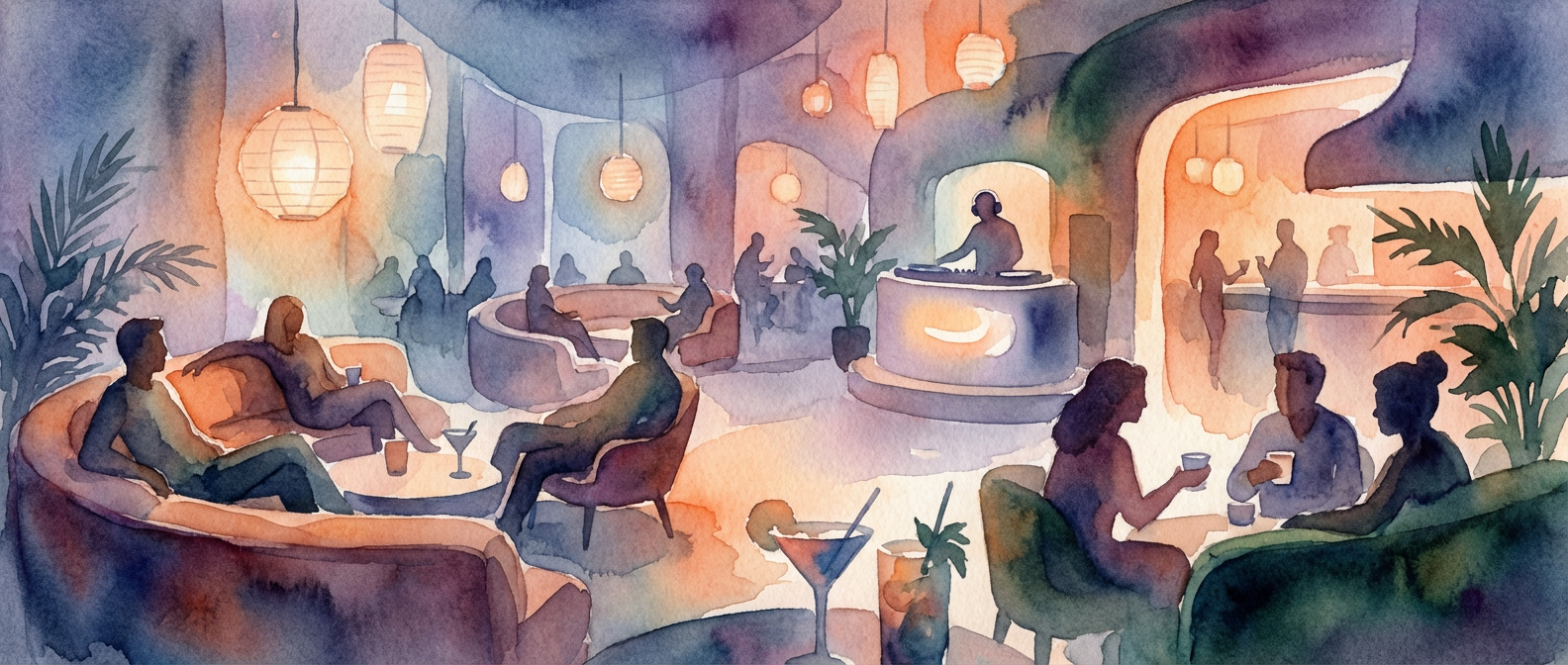
Soft Clubbing Is Quietly Winning: Why Your Favorite Venue Is Going Earlier, Quieter, and Sober-Friendly

The Numbers Are Telling a Story Venues Can’t Ignore

Something shifted in nightlife around 2024, and it wasn’t subtle if you knew where to look. According to the Resident Advisor 2025 State of Nightlife Report, early-evening events starting between 6 PM and 9 PM jumped by 28 percent across venues in the U.S., UK, and EU compared to 2023. That’s not a rounding error. That’s venues actively restructuring their calendars to catch a crowd that either doesn’t exist at midnight or doesn’t want to be there when they do.

Soft Clubbing Is Quietly Winning: Why Your Favorite Venue Is Going Earlier, Quieter, and Sober-Friendly

The shift got real in early 2025 when London’s Fabric, a nightclub institution since 1999, launched something called Fabric Afternoons. Four events. All sold out within 48 hours. A venue that built its reputation on 2 AM techno sets was now moving tickets for 6 PM gatherings. That tells you everything about where the momentum is flowing.

Illustration for Soft Clubbing Is Quietly Winning: Why Your Favorite Venue Is Going Earlier, Quieter, and Sober-Friendly

Meet the 44 Percent Who Just Want to Hear Themselves Think

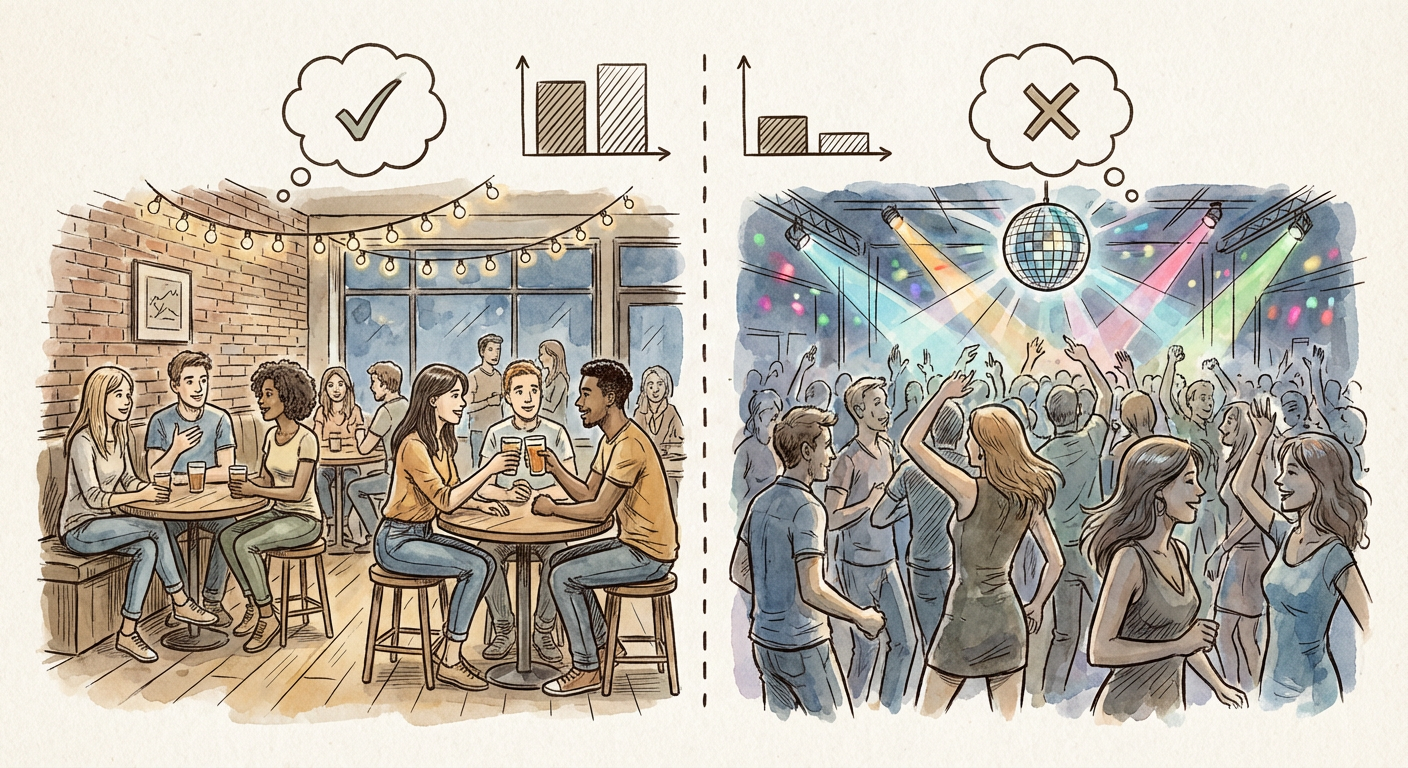
Here’s the revelation that actually explains what’s happening: a YouGov survey commissioned by Diageo in late 2024 found that 44 percent of adults aged 21 to 35 prefer socializing in mid-volume, mid-light environments over traditional loud nightclubs. Nearly half. Not some fringe demographic or generational complaint. The plurality of people in the prime clubbing years are saying they want to be able to have a conversation without shouting directly into someone’s ear canal.

Soft clubbing isn’t anti-clubbing. It’s anti-sensory assault. People still want the social density, the music, the energy of a gathering space with professional sound systems and a decent bar selection. They just want it at a volume where their eardrums aren’t filing for damages. They want lighting that lets them see who they’re actually with. They want to stay until 10 PM instead of midnight and not feel like they left early.

The timing makes sense when you think about where we all are now. Remote work has eroded the line between day and night. Spending all day in Zoom meetings makes a 10 PM start feel punishing. And if you’re going out to actually connect with people, crushing techno at brain-rattling decibels works against that. Soft clubbing is what happens when people vote with their money for what they actually want.

Alcohol Is Losing Its Starring Role

There’s another layer to this, and it’s happening at the bar. No and low alcohol beverage sales at nightlife venues grew 22 percent year-over-year in 2024, according to the IWSR No/Low Alcohol Trends 2024–2025. That’s serious growth for something that used to sit at the back of the menu like a defensive afterthought.

Venues aren’t putting in espresso machines and premium zero-proof spirits because they’re being charitable. They’re doing it because their customers are ordering them. People in their mid-twenties to mid-thirties are showing up to nightlife spaces and choosing not to drink alcohol, or to drink less of it, and they’re not leaving. They’re staying longer. They’re coming back more frequently. The old equation where alcohol consumption equals venue revenue is breaking down.

This tracks with the soft clubbing impulse perfectly. In a mid-volume environment where you can actually hear and see people, you don’t need alcohol as a social lubricant to quite the same degree. Loud, visually overwhelming events where everyone’s already several drinks in create this feedback loop of escalation. Lower the volume and the lighting, and naturally the stakes drop too. A well-made virgin mojito becomes genuinely appealing instead of a consolation prize.

The Math: What Venues Are Actually Making

The revenue question is where this becomes undeniable. Elsewhere, a venue in NYC that’s been part of the conversation for years, announced in January 2026 that its Sunday afternoon programming now accounts for 35 percent of its monthly ticket revenue. In 2023, that same programming was pulling in 12 percent. The venue didn’t lose revenue by adding earlier events. It grew total revenue by expanding its hours and catching people it wasn’t reaching before.

That’s the story right there. Soft clubbing isn’t replacing traditional nightlife. It’s expanding the total addressable market. It’s capturing the audience that went to bars instead, or stayed home, or booked a nice dinner. People who want the ritual and the social element of going out, without the physical punishment or the pressure to stay until 2 AM to justify the trip.

What Happens Next

We’re past the point where soft clubbing is an experiment. Venues with established reputations are betting real money on it. The infrastructure is catching up. Sound engineers are being asked to create mixes that are energizing but conversational. Lighting designers are figuring out how to be atmospheric without being exhausting. Bartenders are developing non-alcoholic cocktail programs with actual craft behind them, not just mixers and apologies.

The old late-night scene isn’t disappearing. That’s still happening at plenty of venues for people who want it. But the nightlife ecosystem now has a much wider envelope. It starts earlier, quieter, more open to people who don’t want to participate in the traditional escalation. The venues paying attention to that shift aren’t struggling. They’re the ones with lines around the block.

If you’ve noticed your favorite spot launching afternoon events or suddenly taking their no-low alcohol selection seriously, you’re not imagining it. They’re reading the same data you’re living through. What do you think is missing from the soft clubbing experience as it’s currently set up? What would make you more likely to try it, or try it again?

The 4 AM Prep Cook Who Changed How I Think About Farmers Markets

When Rosa Sets Up Her Stall at Dawn

Rosa Hernández arrives at the Riverside Farmers Market every Saturday at 4:47 AM. I know this because I’ve been there, standing in the dark parking lot with my camera, watching her methodically arrange thirty-seven different varieties of chiles she grows on two acres in Hesperia. She doesn’t just dump them in baskets. Each poblano gets positioned stem-side up. The habaneros go in small containers because people need to see their perfect orange glow without getting overwhelmed. The chocolate habs stay separate because Rosa learned that most customers won’t believe they’re actually peppers.

This level of care happens at every stall, but we rush past it. We treat farmers markets like grocery stores with better vibes, missing the fact that each vendor is running a small theater production twice a week. Rosa’s chile arrangement isn’t just organization. It’s translation work, helping suburban shoppers navigate flavors their grandparents might have known but they’ve never encountered.

The Economics of Explaining Your Product 400 Times

Miguel Santos spent fifteen minutes with me last month explaining why his carrots cost four dollars a bunch. Not defensively, but with genuine excitement about purple haze varieties and soil composition. He’s had this conversation roughly 12,000 times since he started selling at three different markets in 2019. The math is brutal: if Miguel spends even two minutes with each customer explaining his growing methods, and he talks to fifty people per market day, that’s over three hours of unpaid education work every weekend.

But here’s what I learned from following Miguel through a typical Saturday: those conversations aren’t interruptions to his business. They are his business. The people who buy his four-dollar carrots aren’t just purchasing vegetables. They’re buying into a relationship with someone who can tell them stories about seed varieties developed in the 1800s and why certain soils produce sweeter roots. Miguel has accidentally become one of the most effective food educators in the county, and he’s doing it one two-minute conversation at a time.

The vendors who last more than two seasons understand this. They’re not just selling products. They’re selling access to knowledge that disappeared when we stopped growing our own food. Maria Elena Vásquez, who runs the fermented foods stall, keeps a notebook where she writes down customers’ names and what they bought. When someone returns three weeks later, she remembers they tried the mild kimchi and asks how they liked it before suggesting the next level up.

The Tamale Lady’s Distributed Network

Esperanza Morales doesn’t have a stall at the farmers market, but she’s there every week anyway. She carries two large coolers and moves through the crowd with the efficiency of someone who knows exactly where she’s going. Her tamales sell out by 9:30 AM because her customer base includes half the vendors. Rosa buys six pork tamales every Saturday for her family’s breakfast. The herb vendor gets two chicken and one cheese. The honey guy always wants extra salsa verde.

This creates an economy within an economy. Esperanza has figured out that vendors arrive hungry and leave with cash. She’s plugged herself into their routine so smoothly that when she took a vacation last month, three different vendors asked me if I knew where she was. They’d restructured their Saturday morning rhythm around her tamales, and her absence threw everything off.

What strikes me about Esperanza’s approach is how she’s mapped the social geography of the market. She knows that the flower vendors finish their setup first and want coffee to go with their food. She knows the produce vendors don’t have time to leave their stalls once customers start arriving. She’s created a mobile restaurant that feeds a community of twenty people who happen to work in the same place one day a week.

The Stories That Don’t Fit on Signs

James Wright grows forty-seven different types of tomatoes, but he only brings twelve varieties to market. The selection changes based on what’s ripe, what performed well that week, and what he thinks his customers are ready to try. Last month he introduced me to a Russian variety called Black Krim that tastes like it was grown in different soil than every other tomato on earth. Deep, almost smoky, with an aftertaste that lingers.

James has been growing these tomatoes for eight years, but this was the first season he felt confident enough to bring them to market. Not because they weren’t good enough before, but because he needed time to figure out how to explain them. How do you describe a tomato that challenges everything someone thinks they know about what tomatoes taste like? His solution: he cuts samples and hands them out without explanation. Let people taste first, ask questions second.

Every vendor I’ve talked to has stories like this. Products they grow or make but don’t sell because they haven’t figured out the translation yet. Fermented garlic scapes that taste incredible but look concerning. Bread made with flour from wheat varieties that haven’t been commercially available for sixty years. Honey that tastes different depending on whether the bees visited the eucalyptus groves in March or May.

These vendors are essentially running small-scale research and development operations, testing new flavors against customer curiosity levels. They’re rebuilding food knowledge that industrial agriculture displaced, one conversation at a time. The farmers market isn’t just supporting local agriculture. It’s a cultural laboratory where vendors experiment with reintroducing tastes we collectively forgot we were missing.

What We’re Really Buying

The week before Thanksgiving, I watched Rosa sell out of her chocolate habaneros to people making mole from scratch. These weren’t professional cooks. They were home cooks who’d learned to trust Rosa’s recommendations over the course of months. They knew she’d steer them toward the right heat level for their recipes because she’d been asking about their cooking for weeks.

This is what separates farmers market vendors from grocery store transactions. Rosa remembers that you’re making mole. Miguel knows you’re new to growing your own vegetables. James has watched your tomato preferences evolve over two seasons. They’re not just selling ingredients. They’re selling participation in a food culture that requires relationships to function properly.

Next time you’re at your local market, pay attention to the conversations happening around you. Notice how much education is happening in real time, how much cultural knowledge is being transmitted along with the vegetables. These vendors aren’t just feeding us. They’re teaching us how to be fed properly.

The Corner Where Everything Changed: How Three Blocks Taught Me to Read a Neighborhood

The Morning Maria’s Window Display Stopped Me Cold

I was rushing to catch the 8:15 bus when Maria’s fabric shop window made me brake so hard I nearly face-planted into the glass. She’d arranged vintage sewing patterns from the 1940s alongside contemporary textile art by Keiko Nakamura, the artist who just landed that commission for the new community center. But it wasn’t the display itself that stopped me. It was seeing Mrs. Chen from two blocks over standing inside, running her fingers along a bolt of emerald silk while Maria explained something with animated hand gestures. Mrs. Chen, who I’d only ever seen tending her immaculate garden, was apparently a seamstress.

That moment cracked open something I thought I understood about these three blocks I walk every day. The neighborhood wasn’t just a collection of businesses and residents existing in parallel lines. It was a web of connections I’d been walking through without seeing. Stories layering on top of each other in ways that only became visible when you slowed down enough to notice.

The Archaeology of Daily Routes

Walking the same streets daily creates a false sense of knowing. You develop muscle memory for the cracks in the sidewalk, the timing of traffic lights, the smell that drifts from the bakery at 7 AM. But real discovery happens in the spaces between routine, when you catch fragments of conversations through open windows or notice that the guy who runs the corner newsstand also teaches guitar lessons in the back room on Tuesday evenings.

Last month I started leaving ten minutes early for everything, using the extra time to take detours down streets I’d been treating as mere connectors. That’s how I discovered that the narrow alley behind Prospect Street isn’t just a shortcut. It’s where Diego tests new murals on the side wall of what used to be a dry cleaner, and where the owner of the Ethiopian restaurant hangs prayer flags that catch the morning light in ways that make even the dumpsters look intentional.

These walks reveal layers you miss when you’re focused on getting somewhere. The community garden that exists because the lot owner’s daughter died in a car accident twenty years ago. The bench positioned at the exact spot where the old trolley line ended in 1952. The reason the florist always has fresh peonies on Thursday is because that’s when Mrs. Patterson visits her husband’s grave.

The Economics of Connection

Every neighborhood has its hidden circulatory system, the informal economy of favors and relationships that actually keeps things running. Carlos from the hardware store doesn’t just sell you screws. He knows which contractor did good work on the Henderson house renovation and will text you if he notices someone suspicious checking out your front door when you’re at work. The woman who runs the vintage clothing shop trades alterations for fresh vegetables with the couple who started the micro farm on that weird triangular lot near the train tracks.

These connections become visible when you walk with attention rather than destination. I started noticing that the same people showed up in different contexts throughout the day. The teenager who stocks shelves at the market is also the one who created the chalk art installation that appeared overnight in front of the library. The man who always wears paint-splattered jeans and walks a three-legged dog turns out to be the artist whose sculptures are scattered throughout the pocket park on Elm Street.

The real discovery isn’t just mapping these connections but understanding how they create resilience. When the pandemic shut down half the businesses on the main strip, these informal networks kept people fed and connected. The restaurants that stayed open knew exactly which neighbors needed meal deliveries. The bookstore became an unofficial community bulletin board. The barber shop turned into a place where people could pick up and drop off everything from homeschooled homework to hand sanitizer.

The Timing of Transformation

Neighborhoods exist in constant tension between preservation and change, and walking daily lets you witness the exact moments when that balance tips. I watched the old pharmacy slowly empty out over six months before anyone put up a “For Lease” sign. I saw the first food truck start parking outside the defunct gas station three weeks before it became official. I noticed when the graffiti on the underpass shifted from random tags to coordinated pieces that turned a dead zone into something people actually stopped to photograph.

The most interesting changes happen at the intersection of intention and accident. The muralist who got commissioned for the community center wall started by doing unauthorized work on the back of the laundromat. The coffee shop that became the neighborhood’s unofficial coworking space only happened because the original owner underestimated how many people would linger over their laptops. The pop-up market that runs every Saturday morning exists because someone needed to do something with a parking lot while waiting for construction permits.

Understanding these patterns requires being present for the ordinary moments that come before visible change. The conversations that happen outside the bodega at school pickup time. The way foot traffic shifts when a new business opens or an old one closes. The week when someone finally painted over that wall everyone had been complaining about for months.

The Geography of Belonging

Real neighborhood knowledge isn’t about knowing which restaurant has the best reviews or where to find parking. It’s about understanding the unwritten rules and rhythms that make a place feel like home for the people who’ve chosen to invest their daily lives there. Knowing that the flowers planted in the traffic median happened because three neighbors decided to do something about the dead space. Understanding that the corner store stays open late because the owner’s son needs a safe place to do homework after school.

These discoveries accumulate differently when you’re walking versus driving or cycling through. Walking puts you at the right speed to notice the details and at the right scale to have spontaneous conversations. It’s how I learned that the woman who always sits on her front steps in the evening is actually the neighborhood’s informal security system, and that the house with the perfectly maintained garden belongs to a master gardener who quietly advises half the block on what to plant when.

The next time you walk your own streets, try moving like you’re reading rather than just passing through. Notice what changes between morning and evening light. Which windows stay lit late. Where people pause to talk. The neighborhood you think you know might be full of stories you haven’t heard yet.

The Latte Line: Where Third Wave Coffee Meets Small Town Politics

When the City Kids Come Home (But Different)

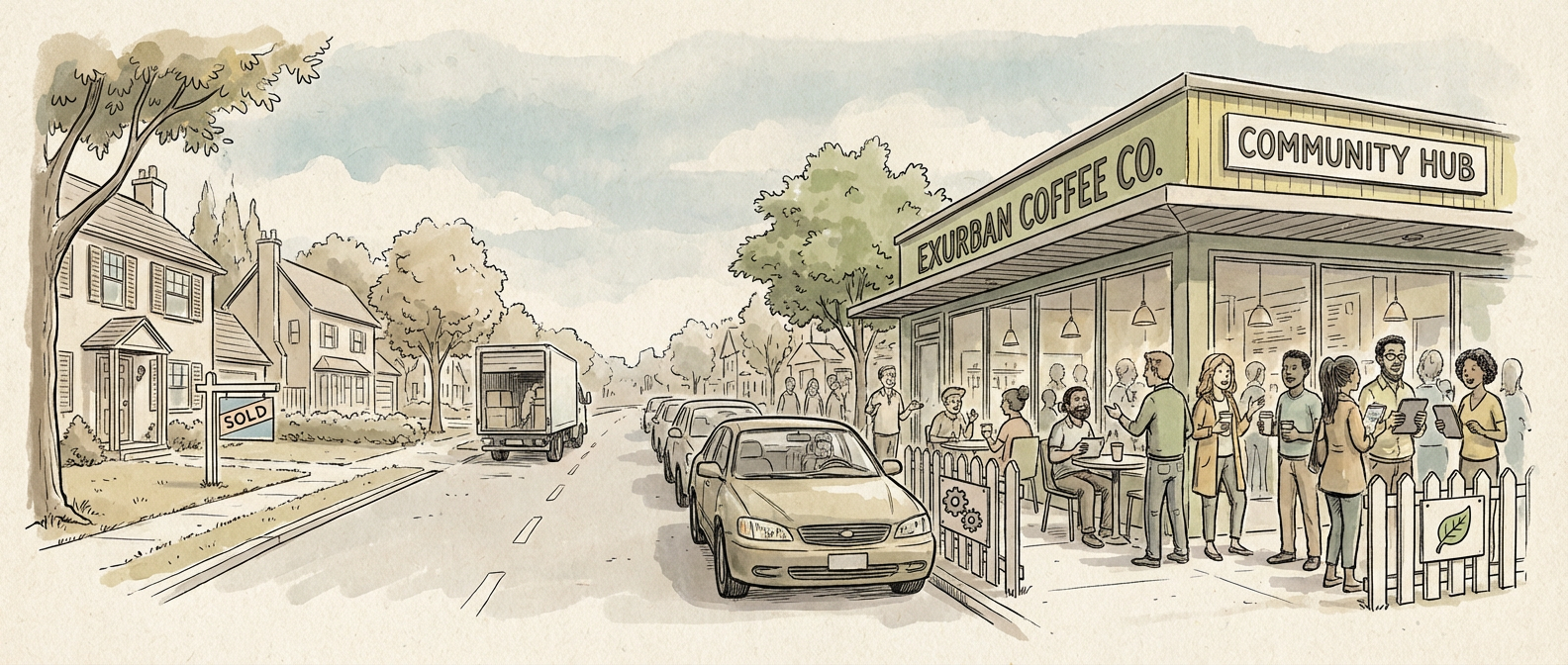
The great suburban exodus everyone predicted never quite materialized the way the think pieces promised. Sure, people left cities during the pandemic, but by last year the Census Bureau’s 2025 Urban Migration Report showed cities gaining nearly two million new residents while suburban growth slowed to a crawl. What nobody saw coming was what happened to all those coffee shops that opened in strip malls and small downtowns during the work-from-anywhere years. They stayed. And they brought their oat milk with them.

The Latte Line: Where Third Wave Coffee Meets Small Town Politics

I’ve been tracking this phenomenon since my cousin Maya opened Ritual Coffee in what used to be a Subway in suburban Atlanta. The numbers tell one story, but the real action happens in the spaces between the data points. According to the Specialty Coffee Association’s Exurban Expansion Study, 847 third-wave coffee shops opened in previously chain-dominated exurban locations last year. These aren’t your grandfather’s diners or even your basic indie coffee spots. We’re talking about places with single-origin Ethiopian beans, baristas who can explain terroir like sommeliers, and clientele who debate brewing methods with the intensity usually reserved for sports or religion.

The cultural collision was inevitable. Drop a shop that makes cortados and plays Phoebe Bridgers into a town where the previous coffee culture peaked at Dunkin’ Donuts seasonal flavors, and something’s got to give. What I didn’t expect was how quickly these spaces would become the new town squares where America’s culture wars play out in real time, one carefully crafted pour-over at a time.

The Documentary That Started the Conversation

You probably saw the headlines about ‘Baristas vs. Biscuits,’ the documentary that followed coffee culture clashes in Georgia’s exurban communities. The film racked up over two million YouTube views in its first month, and for good reason. Director Sam Chen managed to capture something most mainstream coverage missed: this isn’t just about coffee preferences or even economic displacement. It’s about competing visions of what community spaces should be and who gets to define local culture.

The documentary follows three coffee shops in towns outside Atlanta, each representing a different approach to threading the cultural needle. There’s Grind Coffee, which went full hipster and lasted exactly four months before closing. Then there’s Common Grounds, which tried to split the difference with craft coffee and comfort food, creating a weird hybrid that somehow works. The star of the film, though, is Hometown Roasters, where owner Jennifer Walsh figured out how to pour single-origin coffee alongside her grandmother’s biscuit recipe, creating a space where longtime residents and newcomers actually talk to each other instead of just coexisting in parallel universes.

Chen’s genius was focusing on the customers rather than just the cultural flashpoints. You watch a retired teacher explain why she drives twenty minutes past three Starbucks to get her coffee from a place that remembers her order. You see a young father working remotely discover that the guy at the next table over shares his passion for woodworking. These aren’t grand reconciliation moments, but they’re real ones, and they happen over conversations that wouldn’t exist anywhere else in these communities.

The Numbers Behind the Culture Clash

Local news outlets documented 156 incidents of what they euphemistically called “coffee shop cultural conflict” across 23 states between October and February. The reports read like a sociologist’s fever dream: arguments over music volume and playlist content, disputes about laptop etiquette and work-from-coffee-shop policies, heated debates about pricing and portion sizes. In one memorable incident in suburban Phoenix, a city council meeting devolved into a shouting match about whether a new coffee shop’s community board should allow flyers for yoga classes alongside church potlucks.

Behind these seemingly trivial conflicts lies a much larger economic story. Starbucks closed 340 suburban locations in the final quarter of last year, while independent coffee shops in those same areas saw their revenue jump by an average of 234 percent. This isn’t just market preference shifting toward local businesses. It represents a fundamental change in how people want to experience community spaces and what they’re willing to pay for that experience.

The most successful shops I’ve visited aren’t trying to import urban coffee culture wholesale or pander to existing preferences. They’re creating something new that acknowledges both sides of their customer base. They source excellent beans but also dish up food that feels familiar. They play music that doesn’t alienate anyone while still having a point of view. Most importantly, they hire locally and train extensively, so the person making your drink understands both coffee craft and community dynamics.

Finding Common Ground in Uncommon Places

The real story isn’t about culture war battle lines drawn in coffee shops. It’s about the entrepreneurs and baristas who figured out how to build bridges instead of walls. Take Marcus Chen at Crossroads Coffee in suburban Dallas, who started hosting monthly “Coffee and Conversation” nights where customers can ask questions about everything from brewing methods to business operations. Or Sarah Martinez in suburban Denver, who partnered with the local library to create a weekend storytelling series that brings together families who might never otherwise interact.

These success stories share common elements that have nothing to do with political affiliation or cultural background. They prioritize genuine hospitality over performative authenticity. They invest in staff training that covers not just coffee preparation but conflict resolution and community engagement. They understand that being a third place means welcoming everyone, not just people who already share your aesthetic preferences or cultural references.

The most telling detail from my conversations with successful coffee shop owners? None of them see themselves as culture warriors or community missionaries. They just want to make great coffee and create spaces where people feel welcome. That sounds simple until you realize how rare it actually is and how much intentional work it requires to pull off consistently.

What’s happening in these coffee shops matters beyond the immediate communities they help. They’re testing grounds for whether America can create new kinds of shared spaces in an era of increasing cultural fragmentation. The early results suggest it’s possible, but only when everyone involved commits to the idea that good coffee and genuine community aren’t mutually exclusive. If you’ve witnessed this transformation in your own neighborhood or want to share stories from coffee shops navigating these dynamics, I’d love to hear them.

The Stanley Moment: How a Century-Old Thermos Brand Accidentally Became Gen Z’s Holy Grail

The Numbers That Changed Everything

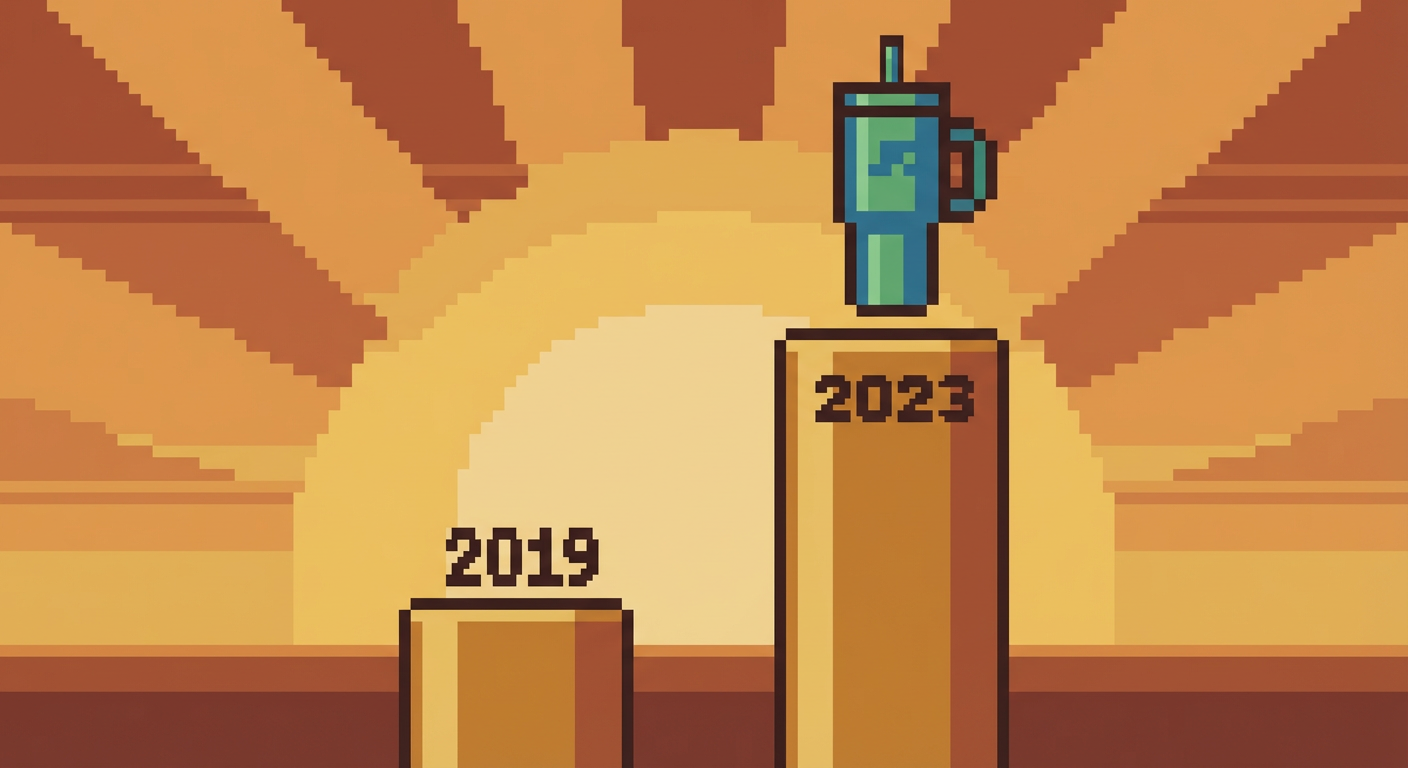
Picture this: a company that spent 110 years making the same product for construction workers and outdoor enthusiasts suddenly finds itself at the center of a cultural hurricane. Stanley’s revenue didn’t just grow between 2019 and 2023—it exploded from $73 million to $750 million. That’s the kind of trajectory that would make tech startups weep with envy. The catalyst? A 40-ounce tumbler with a handle that somehow became the iPhone of hydration.

The Stanley Moment: How a Century-Old Thermos Brand Accidentally Became Gen Z's Holy Grail
The Stanley Moment: How a Century-Old Thermos Brand Accidentally Became Gen Z’s Holy Grail

The digital numbers tell an even wilder story. Stanley’s TikTok following multiplied by 3,400 percent in 2023 alone, hitting 8.2 million followers who treated every new color drop like a Supreme release. Target’s Top Selling Products 2024 shows that Stanley tumblers held the number one drinkware spot for 47 consecutive weeks. Forty-seven weeks. That’s not a trend, that’s a complete cultural takeover.

The Pink Valentine’s Day Stampede

February 2024 gave us the moment that proved Stanley had completely transformed from practical tool to cultural phenomenon. A limited-edition pink tumbler for Valentine’s Day triggered actual stampedes at Target stores across the country. I watched videos of grown adults sprinting through aisles, employees forming human barriers around displays, checkout lines that looked like concert ticket queues.

The secondary market response was immediate and absurd. Those $45 tumblers started appearing on eBay with $300 price tags. People paid it. This wasn’t rational consumer behavior anymore. This was sneakerhead economics applied to a water bottle. When hydration accessories command the same resale fever as limited Jordans, you know something fundamental has shifted.

The stampede became Stanley’s defining moment. Brands spend millions trying to manufacture viral moments like this. Stanley stumbled into theirs completely by accident, which might be exactly why it worked so perfectly.

The Accidental Algorithm

Stanley’s success story reads like everything marketing textbooks say you can’t control. The brand didn’t pivot to target Gen Z. Gen Z found them. The breakthrough came when a group of Utah bloggers discovered the 40-ounce Quencher tumbler and started incorporating it into their daily content. Their followers noticed, then their followers’ followers noticed, and suddenly Stanley had accidentally created the perfect social media accessory.

The tumbler’s design hit several cultural sweet spots at once. Its size made it Instagram-worthy while delivering on the hydration obsession that defined wellness culture. The handle provided functionality that separated it from every other water bottle cluttering the market. Most importantly, the color variations gave users a way to express personality within a shared cultural language.

What Stanley understood, maybe intuitively rather than strategically, was that Gen Z wanted authenticity wrapped in functionality. The brand’s Stanley Brand Company Financial Reports show a company that maintained its core identity while allowing new audiences to discover their own relationship with the product. They didn’t chase trends. They became one.

The Billion-Dollar Reframe

Brand consultancy Interbrand’s 2024 valuation reveals just how massive Stanley’s cultural elevation really was. Their brand equity jumped from $23 million in 2020 to $1.1 billion in 2024. That’s nearly 5,000 percent growth that reflects way more than just sales numbers. This represents a complete recontextualization of what Stanley means in the marketplace.

The company managed something most heritage brands can only dream of: keeping their core customer base while attracting an entirely new demographic without alienating either group. Construction workers still buy Stanley thermoses for job sites. College students coordinate tumbler colors with their outfit planning. The brand became bilingual, speaking both utility and aesthetics fluently.

This dual citizenship in practical and aspirational markets created a unique value proposition. Stanley offered the functional credibility that influencer-founded brands couldn’t match, combined with the cultural relevance that traditional outdoor brands struggled to achieve. They occupied a market position that was both authentic and accessible, premium and practical.

The Cultural Physics of Viral Success

Stanley’s moment reveals something important about how cultural phenomena emerge in the social media age. The brand succeeded because they solved a real problem—keeping drinks at the right temperature—while creating an unexpected social signal. The tumbler became a way to communicate membership in a community that valued both wellness and aesthetic consideration.

The timing was perfect in ways Stanley couldn’t have planned. The pandemic had shifted social dynamics toward more personal, intimate content creation. People were filming their daily routines, their morning coffee prep, their desk setup tours. Stanley’s tumbler fit right into this content without requiring explanation or justification. It was functional enough for authentic use and photogenic enough for intentional display.

What we witnessed wasn’t just successful product positioning. It was the intersection of utility, aesthetics, and social signaling creating a cultural moment that transcended typical marketing outcomes. Stanley proved that sometimes the most powerful brand strategies are the ones that happen organically, when the right product meets the right cultural moment through the right amplification channels.

The Stanley phenomenon offers a fascinating case study in how established brands can find new life without losing their soul. It shows how Gen Z continues to redefine what deserves cultural attention. Makes you wonder what other century-old brands are sitting on their own accidental cultural goldmines, waiting for the right moment to be discovered.