The Theaters Are Full Again, But Not for the Movies You’d Expect
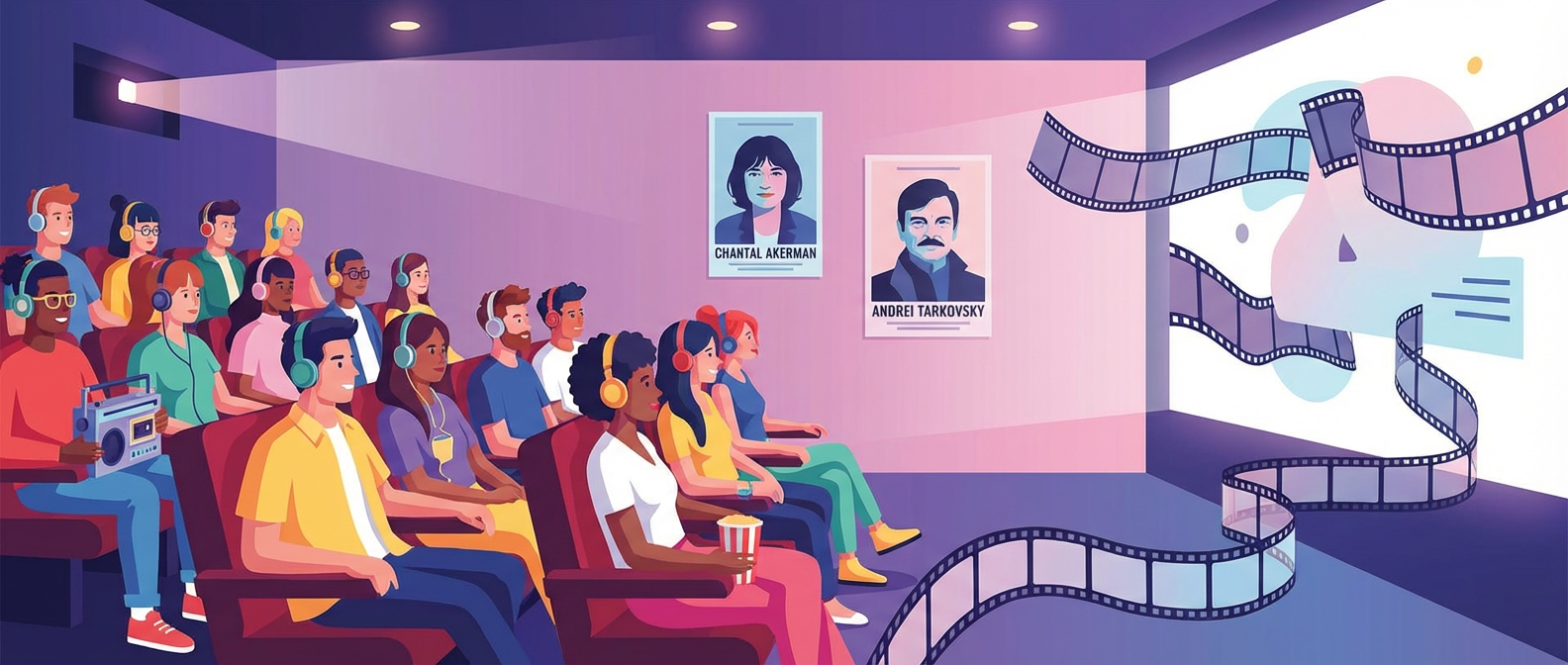
There’s a specific kind of quiet that happens in a theater when nothing much is happening on screen. Not the quiet of boredom or restlessness, but something closer to consensus. In January, I watched a sold-out crowd file into Metrograph on a Friday night for the first of three consecutive weekend marathons devoted entirely to Chantal Akerman’s complete works. The theater was packed in a way that felt almost defiant, like everyone had decided simultaneously that they wanted their time back, that they wanted to sit with something for longer than the algorithm suggested they should. Over the course of those three weekends, Metrograph moved 1,800 tickets for films where patience isn’t a virtue but the actual subject matter.
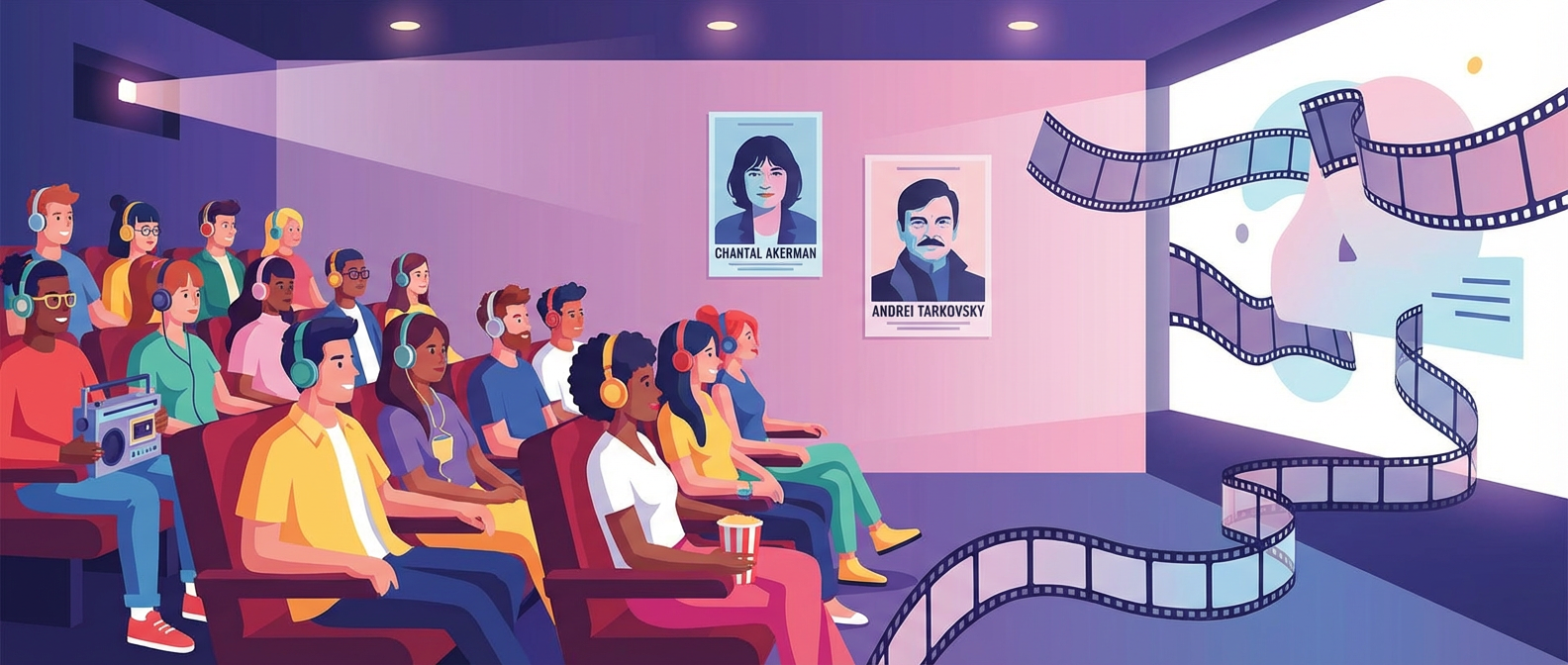
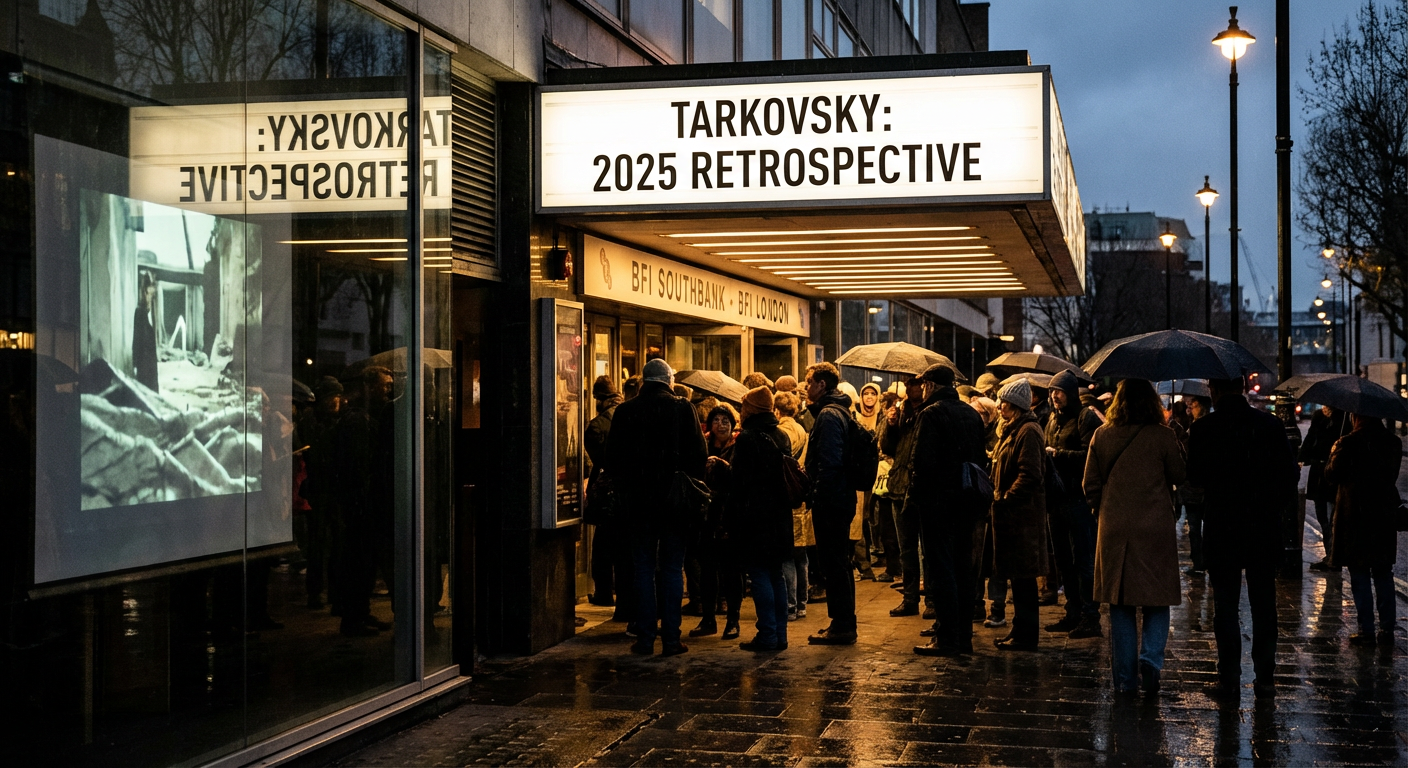
This isn’t a fringe thing anymore. It’s happening at the places that matter. The BFI Southbank’s Tarkovsky retrospective last year drew 6,400 people across three weeks, making it the strongest turnout for any repertory series since 2019. That’s not the number for a nostalgic holdover event. That’s the number for something people genuinely want to see. And they’re not all film professors or silver-haired cinephiles. Walk into these screenings and you’ll see people who were born after streaming made the theatrical experience optional. They’re choosing to be there. They’re choosing duration.
What Cortisol Levels Can’t Explain (But Might Hint At)
There’s a study from late last year that researchers keep mentioning, the kind of hard data that makes slow cinema harder to dismiss as pure aesthetics or generational affectation. Post-screening cortisol levels in viewers of slow cinema tested noticeably lower than they did in people who’d just watched action-heavy films. Which is science-speak for: your nervous system actually calms down when you sit with a long take. When you’re not being assaulted by cuts every two seconds, when a camera can stay still and let you settle into a space, something happens. The amygdala gets quieter.
But the numbers say something else too, something harder to quantify. Streaming metrics from Criterion Channel show a 45% jump in viewing hours for films with average shot lengths over 15 seconds among users aged 18 to 28 between 2024 and 2025. That’s not a generational fluke. That’s a sustained pattern. Young people are seeking this out on their own time, finding it in their algorithm feeds, and then deciding they want to experience it in public, in the dark, with other people. Criterion Channel’s editorial on the slow cinema surge documented the shift with the kind of precision you get when a trend stops being a trend and becomes a behavior.
The real story isn’t about wellness, though the cortisol study is real. It’s about what happens when you remove stimulation and people realize they’ve been starving for it. When you sit for three hours with Akerman’s compositional minimalism or Tarkovsky’s philosophical patience, you’re not getting a break from life. You’re getting a break from the noise that’s been substituting for life.
The Viral Slowdown: When the Internet Decided to Go Quiet
February brought something that would have seemed impossible five years ago: a slow film challenge that accumulated over 2.1 million posts on Film Twitter and Letterboxd combined. The concept was simple enough to be almost subversive. Watch one canonically slow film per week for a month. Four weeks. Four films. No rush. And people did it. They posted their watches. They argued about duration as an aesthetic principle. They discovered films they’d previously dismissed as inaccessible. The hashtag didn’t trend because of algorithm manipulation or influencer coordination. It trended because people genuinely wanted to talk about taking their time with things.
What made it interesting wasn’t just the participation numbers, though those numbers matter. It was the language people used. Nobody was performing difficulty for clout. They were describing something closer to relief. Relief at permission to be slow. Relief at the idea that a three-minute static shot of a room might contain everything you need to understand about loneliness or memory or waiting. Relief at the possibility that not every moment needs to be productively consumed, that sometimes the point is the duration itself.
The Venues Holding the Line
Metrograph sold out those Akerman marathons before the announcement even fully circulated. The theater, which opened in 2016 in a moment when everyone was predicting the death of the repertory cinema model, had somehow become the place where this particular cultural insurrection was happening. BFI’s 2025 repertory programming report made it clear that London wasn’t alone in this. Arthouse circuits across Europe and North America are programming longer, slower work and finding that audiences show up. Not out of obligation or academic requirement, but because there’s hunger.
The theaters themselves are the real story here. They’re the places where young people can still gather without buying anything, without the interaction being mediated by an app, without the experience being trackable or quantifiable in ways that matter to anybody but them. In a moment when almost every other cultural space has been optimized for engagement metrics, these theaters remain stubbornly resistant to that logic. You can’t scroll during Tarkovsky. You can’t skip ahead. You’re just there, and the film is there, and that’s the entire transaction.
Staying Curious About What’s Changing
The real question isn’t whether this is a trend that will fade, though people will certainly ask that. It’s what this particular hunger tells us about where young culture actually is right now. These aren’t people rejecting their era’s aesthetic possibilities. They’re people who’ve lived their entire media lives inside an attention economy and are discovering that opting out, even temporarily, even voluntarily, even for three hours in a dark theater, might be its own form of resistance. Or maybe not resistance. Maybe just sanity.
If you haven’t experienced a slow film in a theater full of people who chose to be there, it’s worth your time. Not because it’s good for you, though the cortisol thing is real. But because it’s strange and genuine and happening right now, and the places hosting these events are still figuring out who they’re for. That kind of thing doesn’t last forever in cities. Neither do the theaters.